Art, design & memories of a forest at Outpost 12, Kanha
As a safari bio-lodge, Outpost 12 in Kanha keeps its spatial expression - art & accessories, interiors, installations, exhibits and curated spaces on point. An adventure recounted by NYUCT Design Labs.

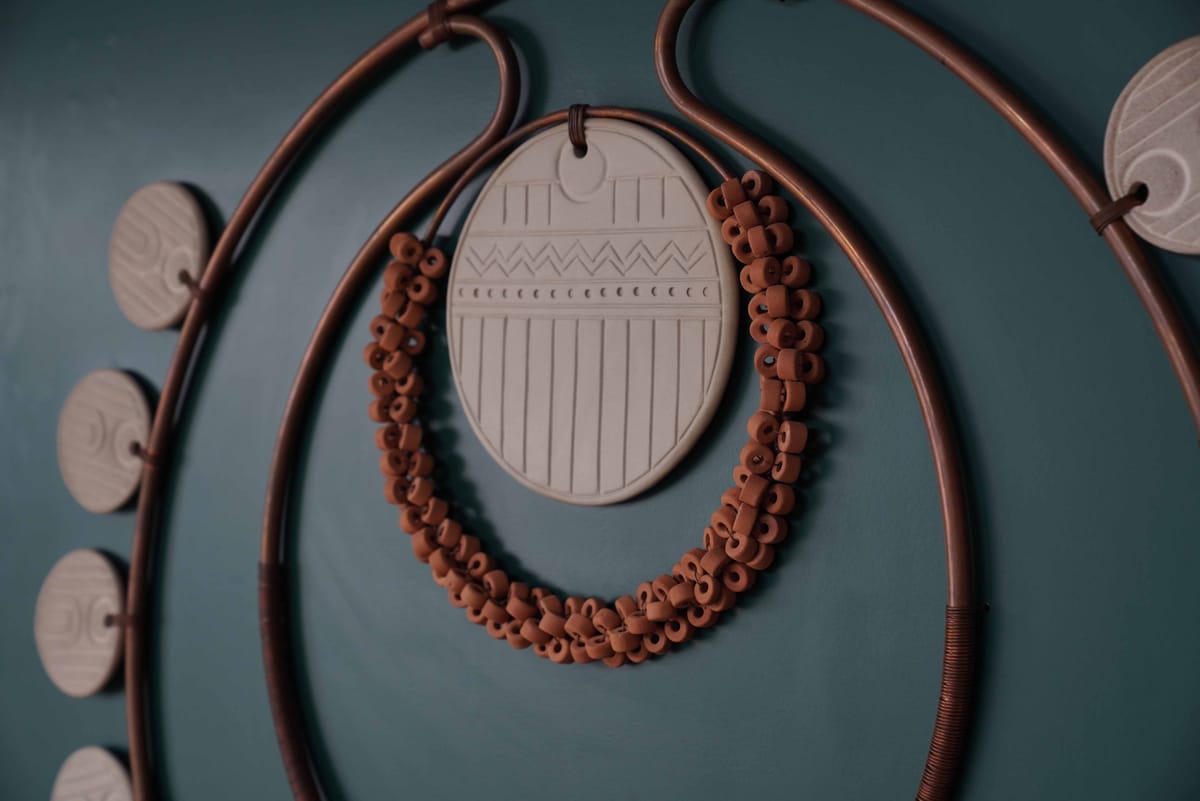
Every brand needs to live its positioning across its universe and customer journey. This extends across the visual, spatial and physical where the customer interacts, interfaces with and hence remembers the brand. This is where the moments of truth are built.
As a safari bio-lodge venture, Outpost 12 keeps its spatial expression - art & accessories, installations & exhibits and curation of spaces - both indoors and outdoors, on point. The experience design cell of NYUCT Design Labs worked with the founders to bring this forest-first spatial narrative to life, using art, crafts and indigenous culture. Giving unique expression to the bio-lodge.
Every place seeks to present an original core for its audiences and visitors, so that it tells them where it comes from, what it lives by. Its experiences and the way they are crafted and designed to convey their points of origin and inspiration, determine how it finally comes to life.
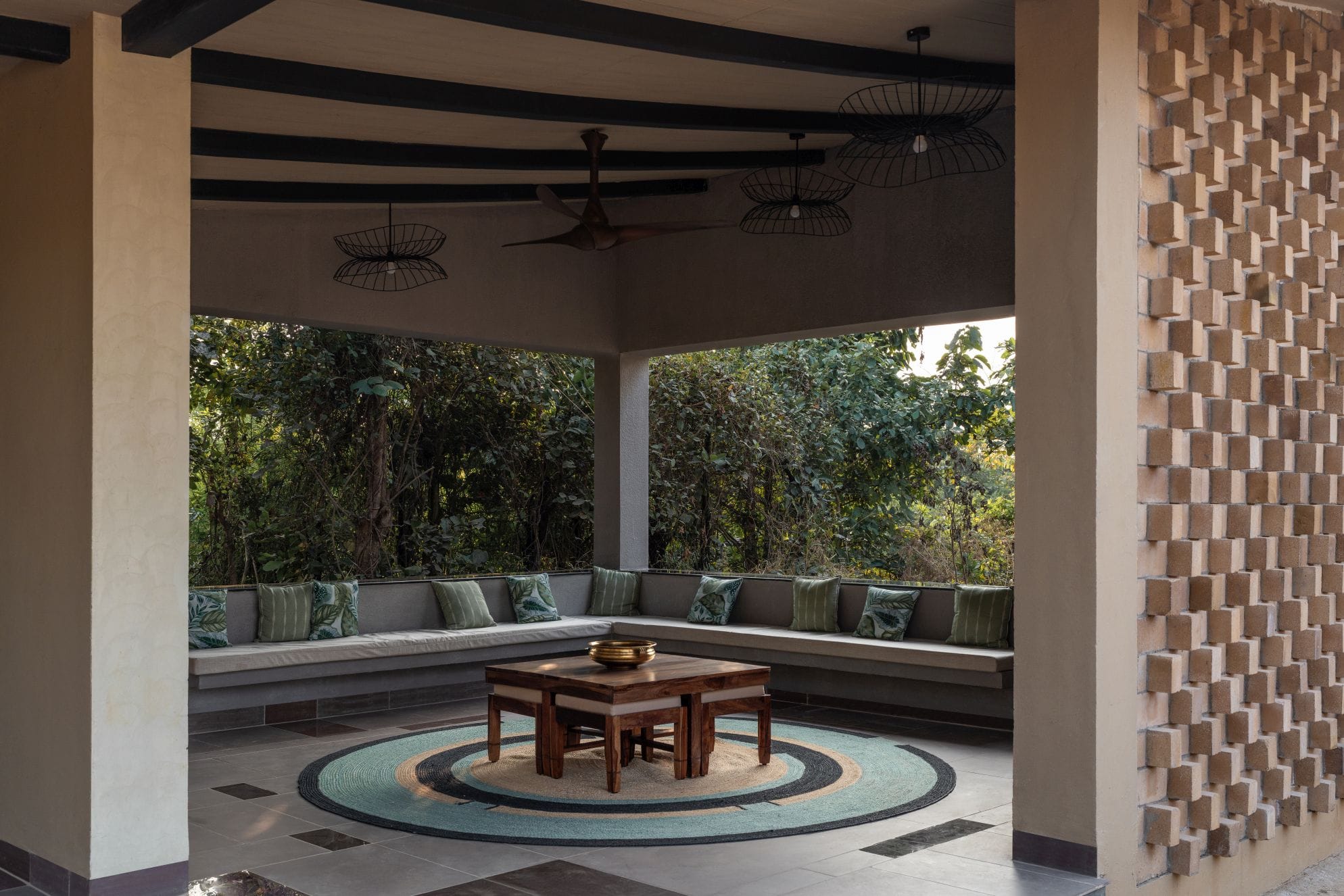
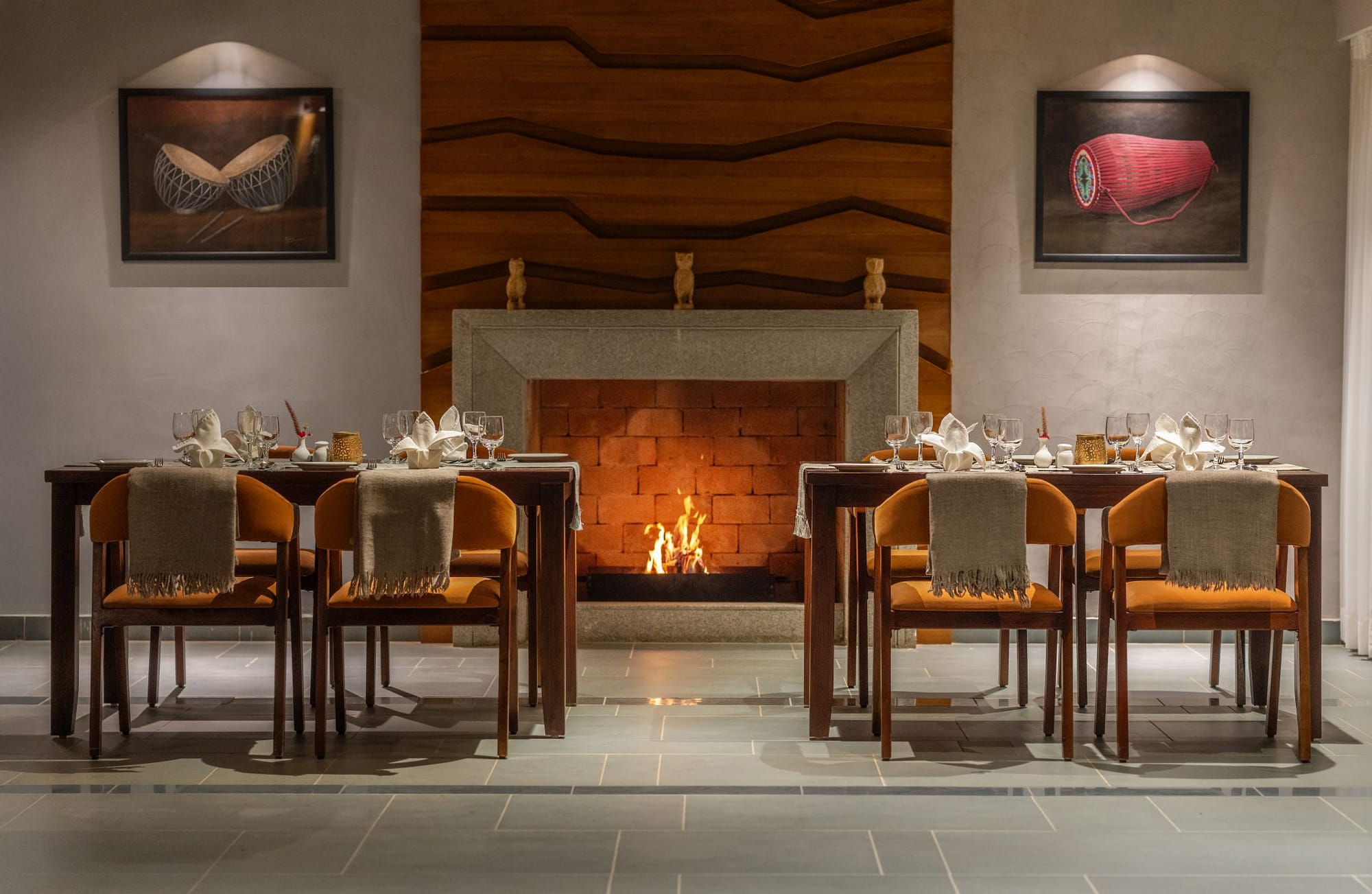
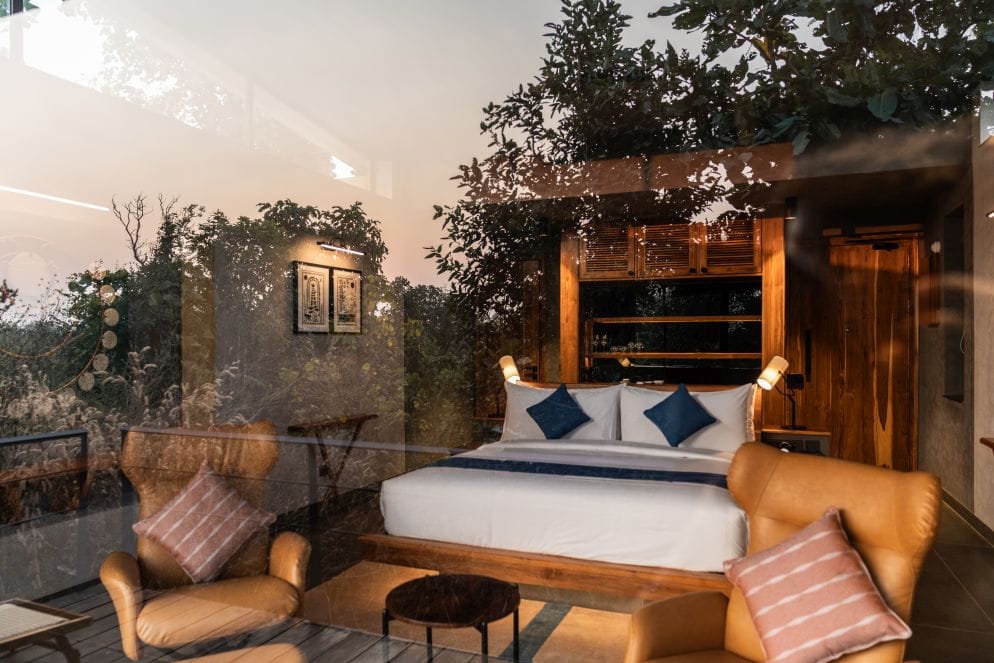
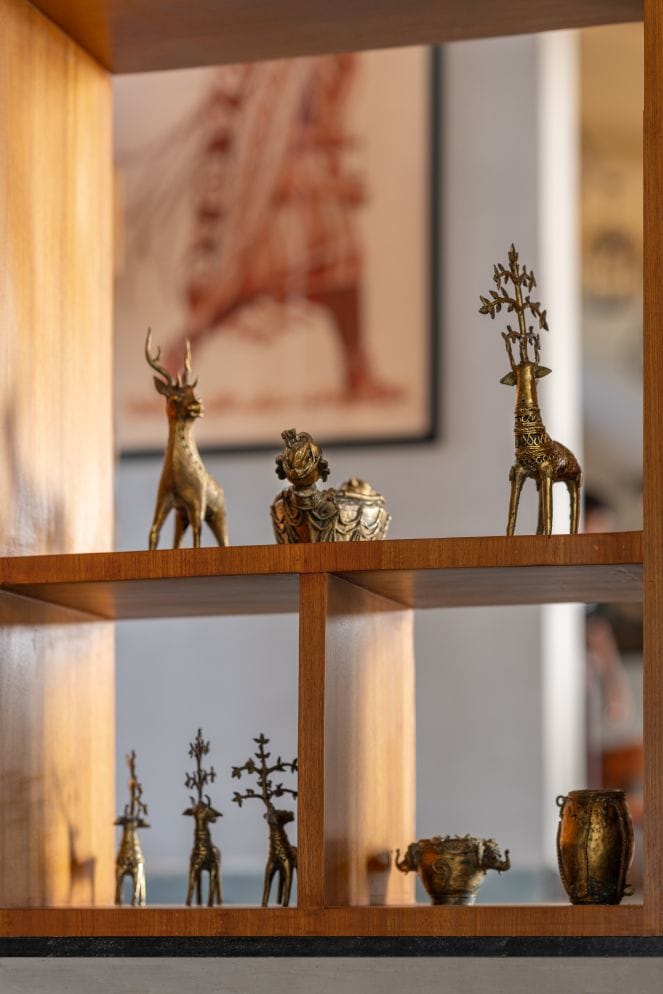
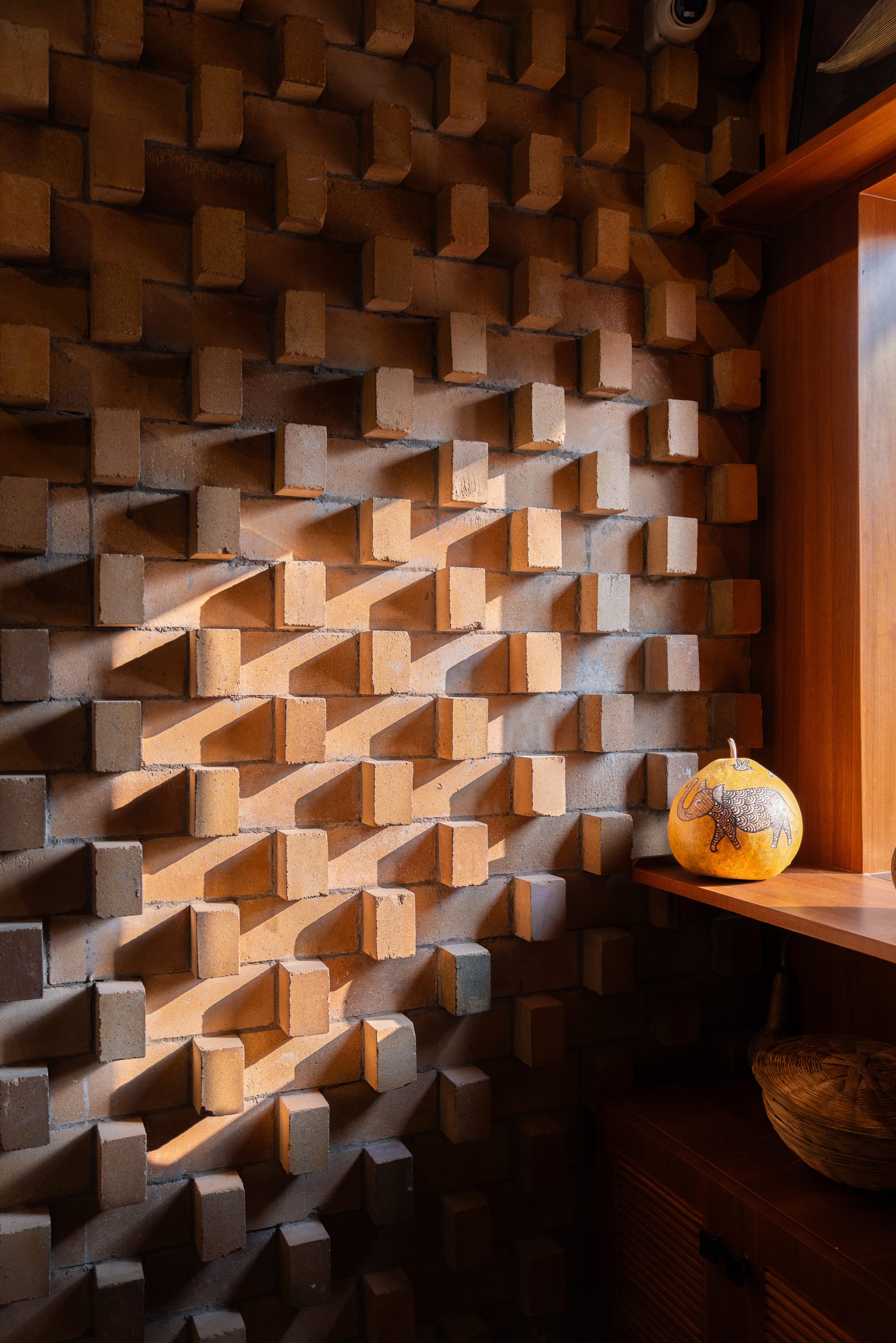
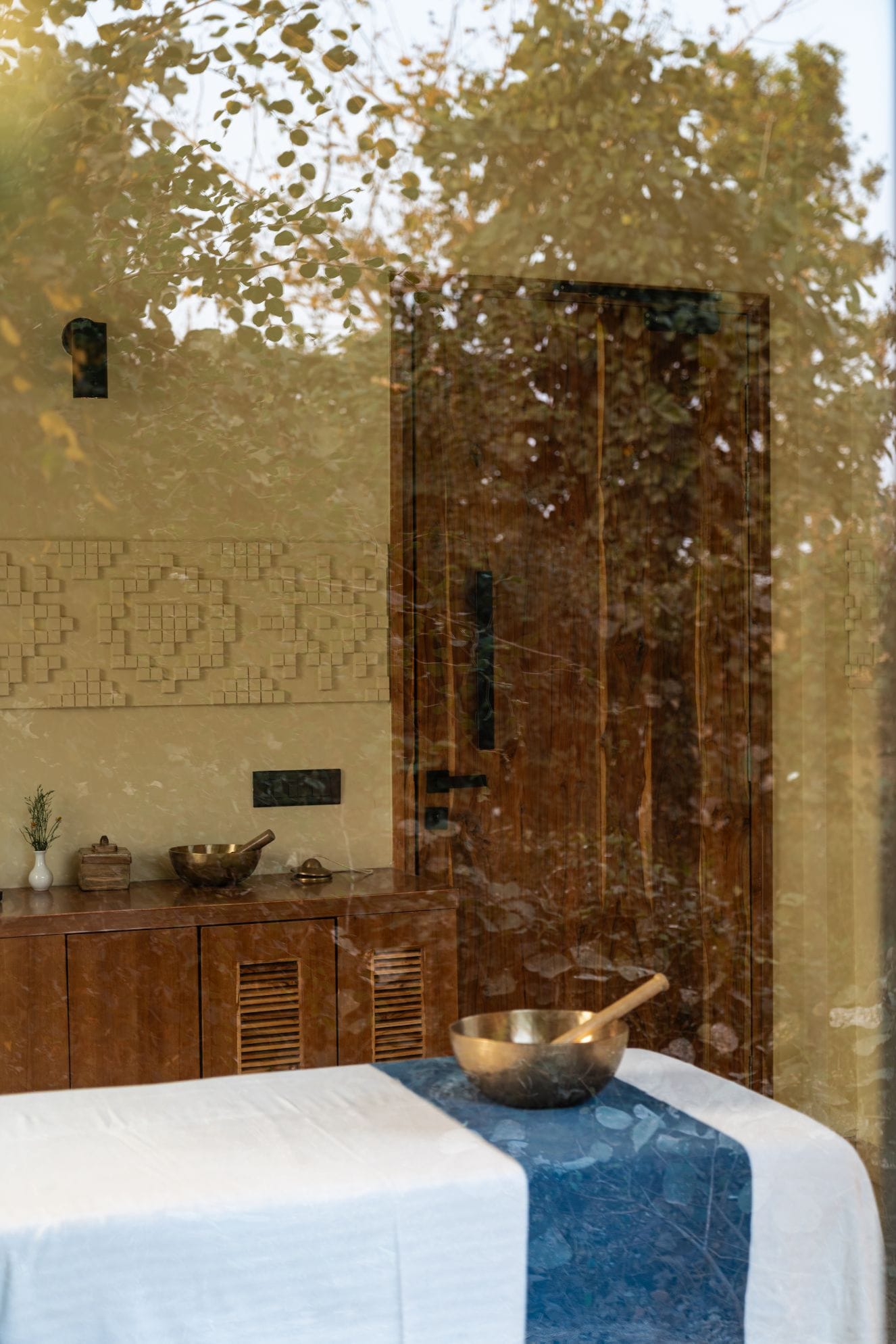
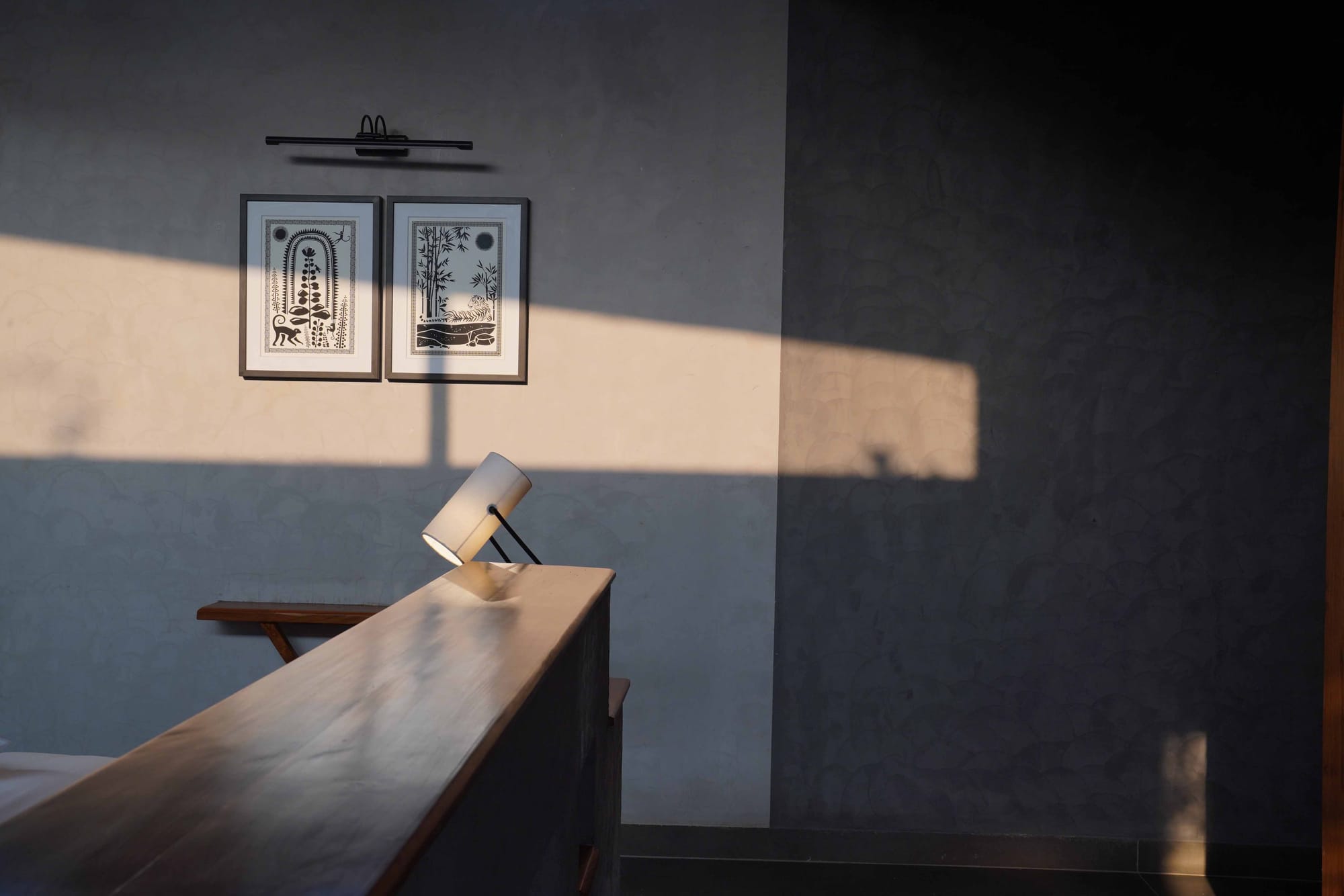
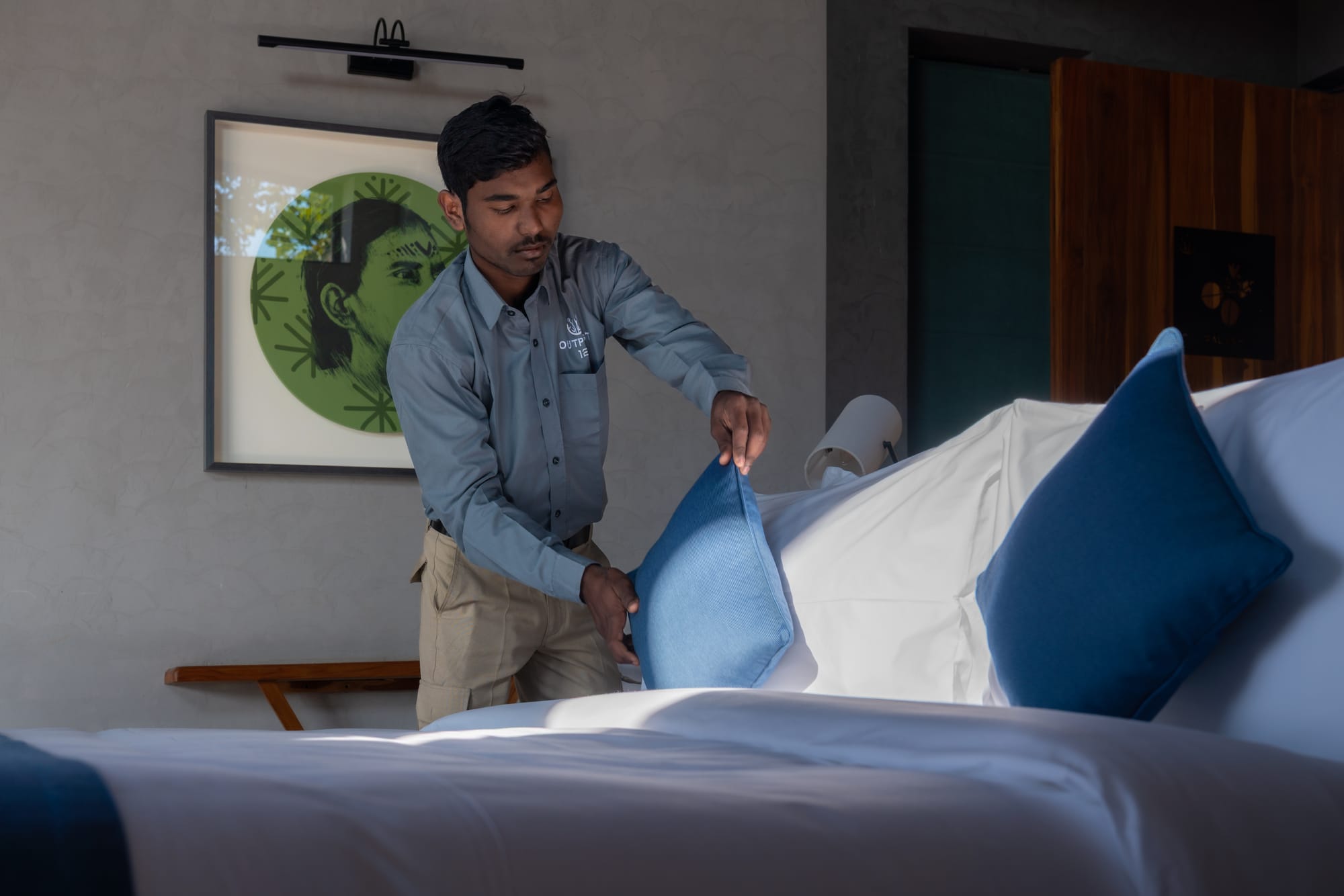
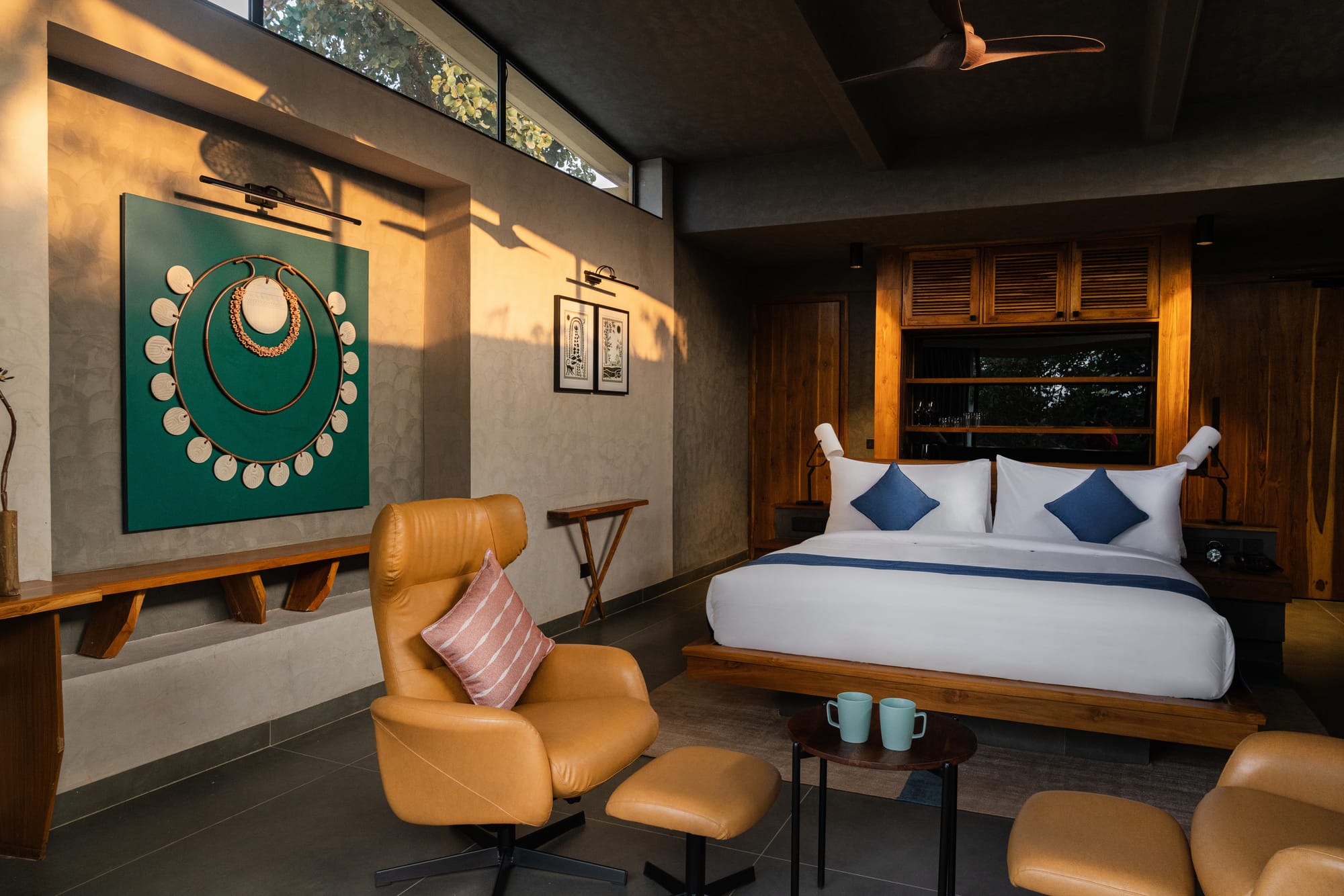
Interiors, exhibits, installations and spaces at Outpost 12 reflect the forest-first philosophy of this bio-lodge.
This spatial experience and design of the interiors, softly elevates the guest experience and fosters discovery of the local culture and way of life in Kanha.
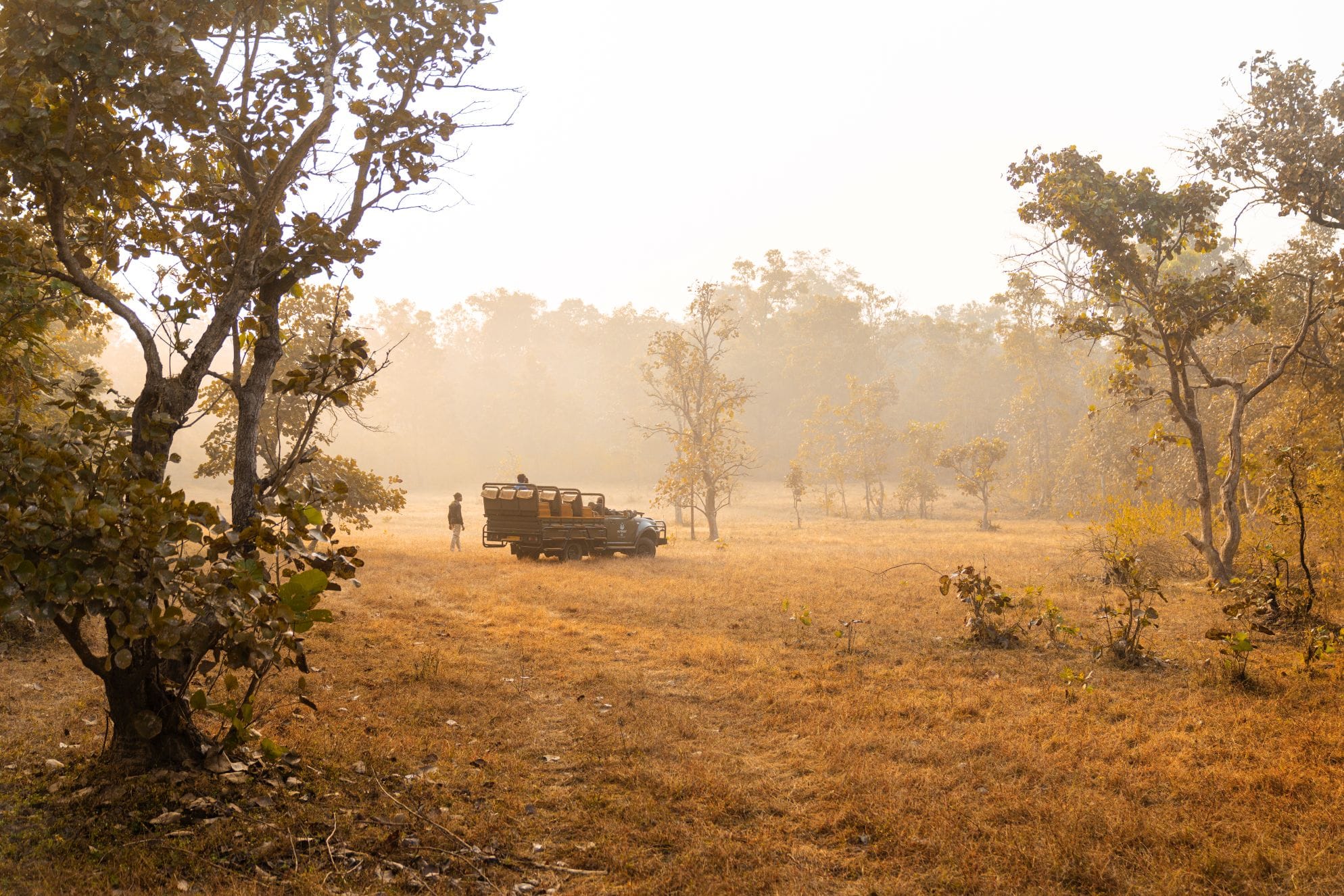
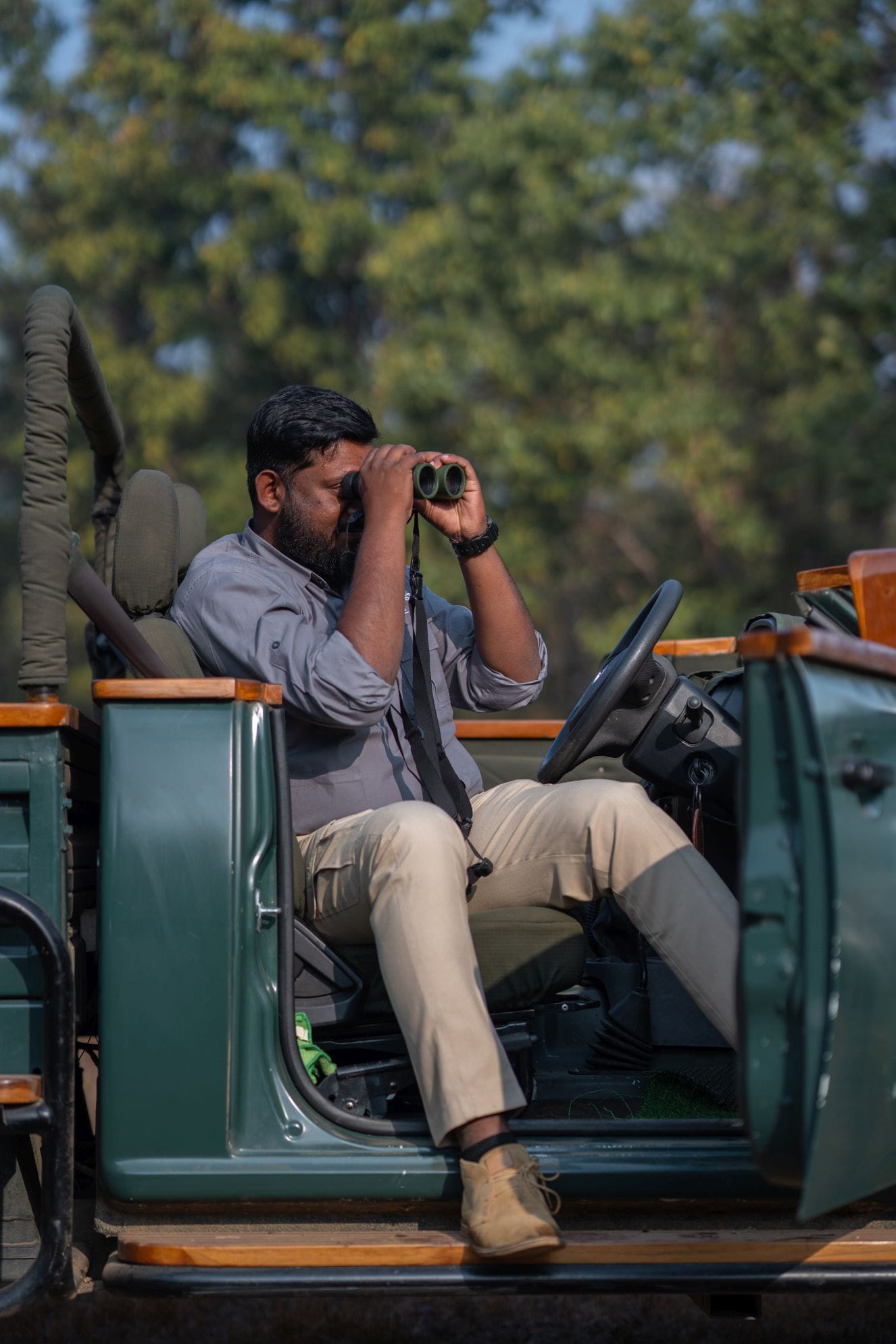
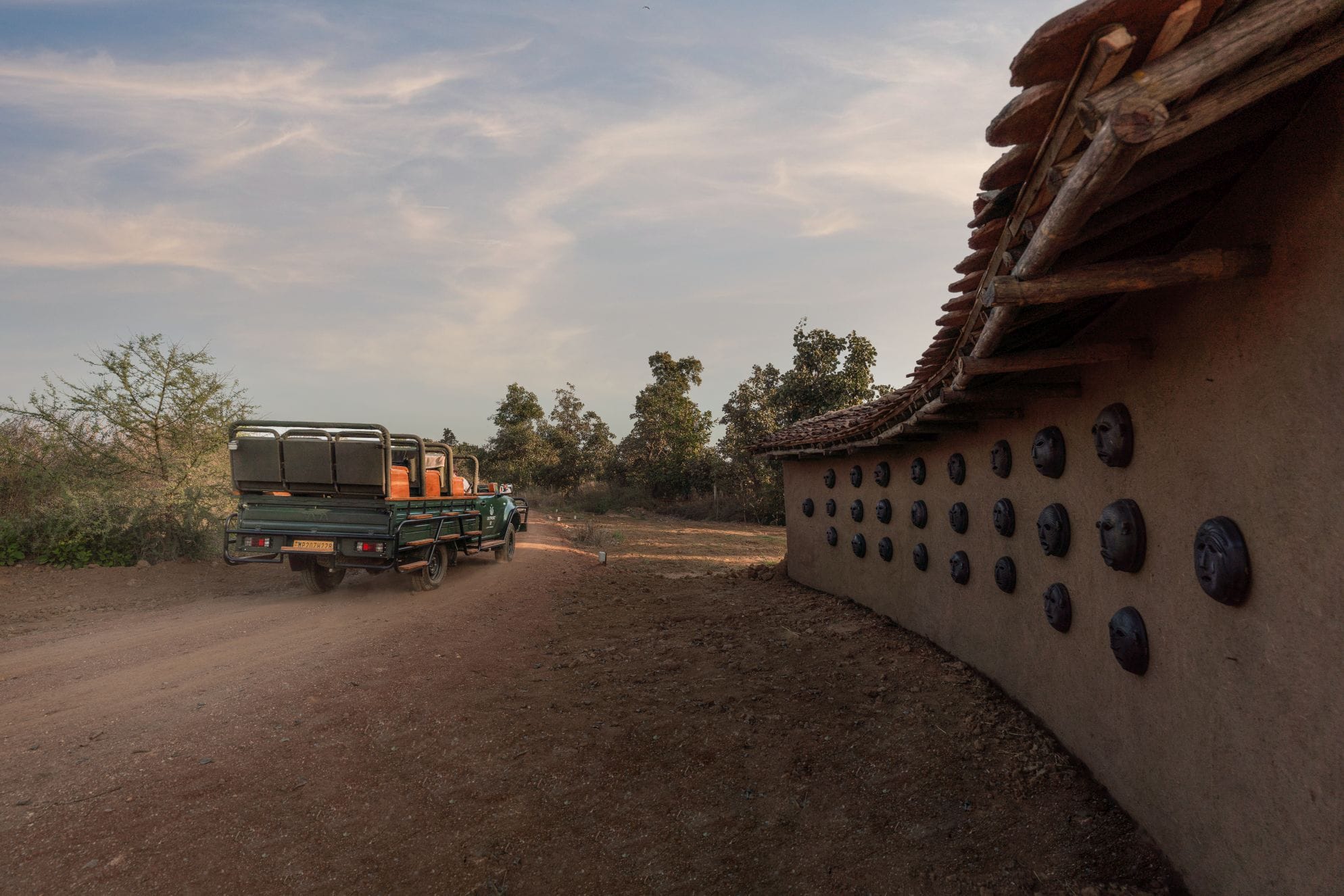
Every day at Kanha, is a brand-new day of discoveries. The Outpost 12 is a forest first, safari bio-lodge run by core naturalists.
The interior design and spatial aesthetics, across spaces, rooms & public areas walk a fine line between what is contemporary and rooted. It stays honest with the region's animist and tribal moorings. Between a forest and its living heritage.
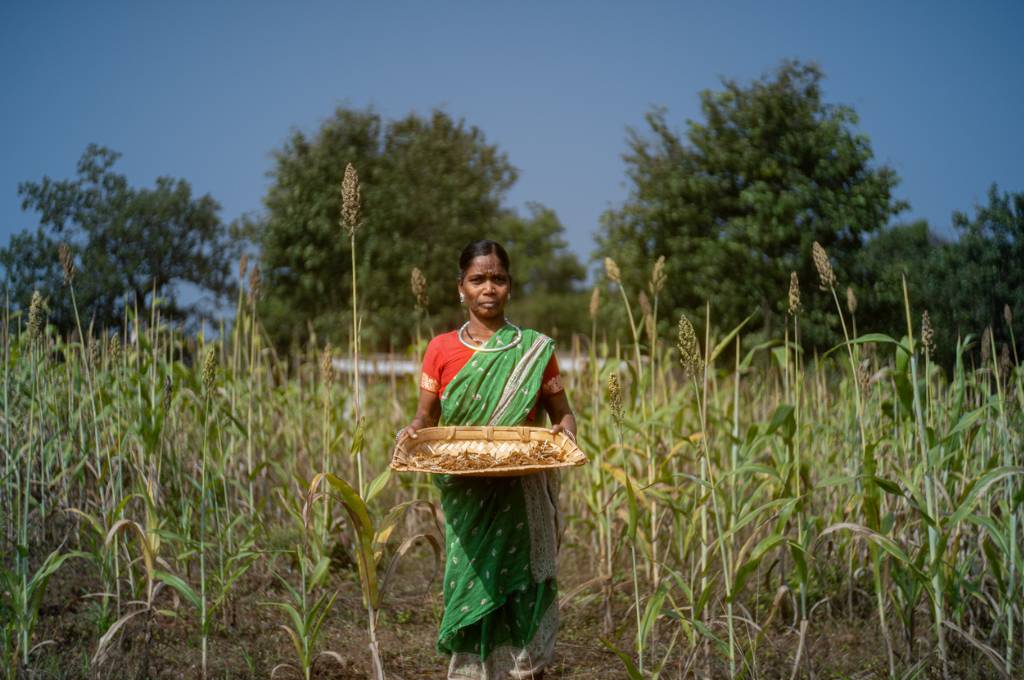
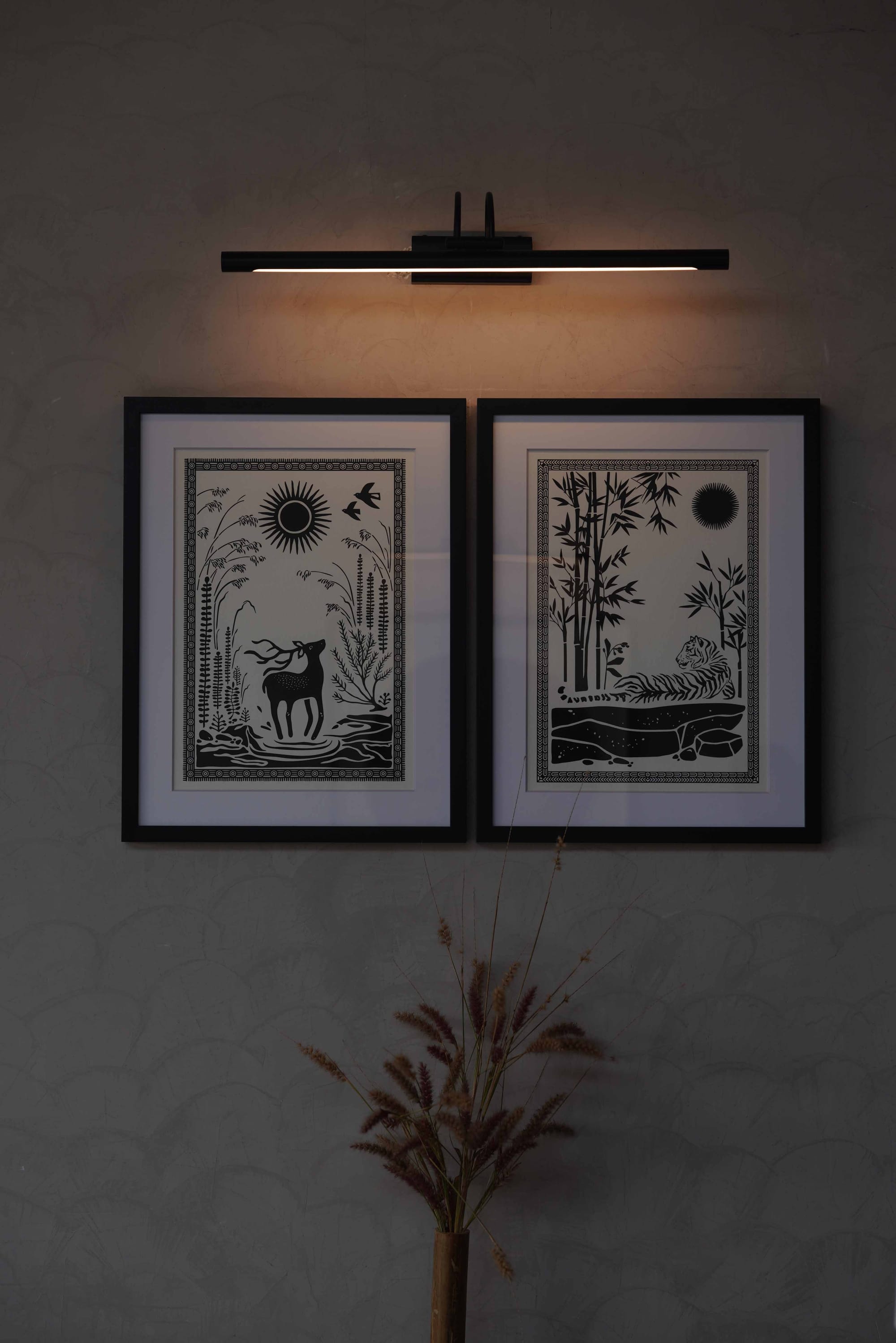
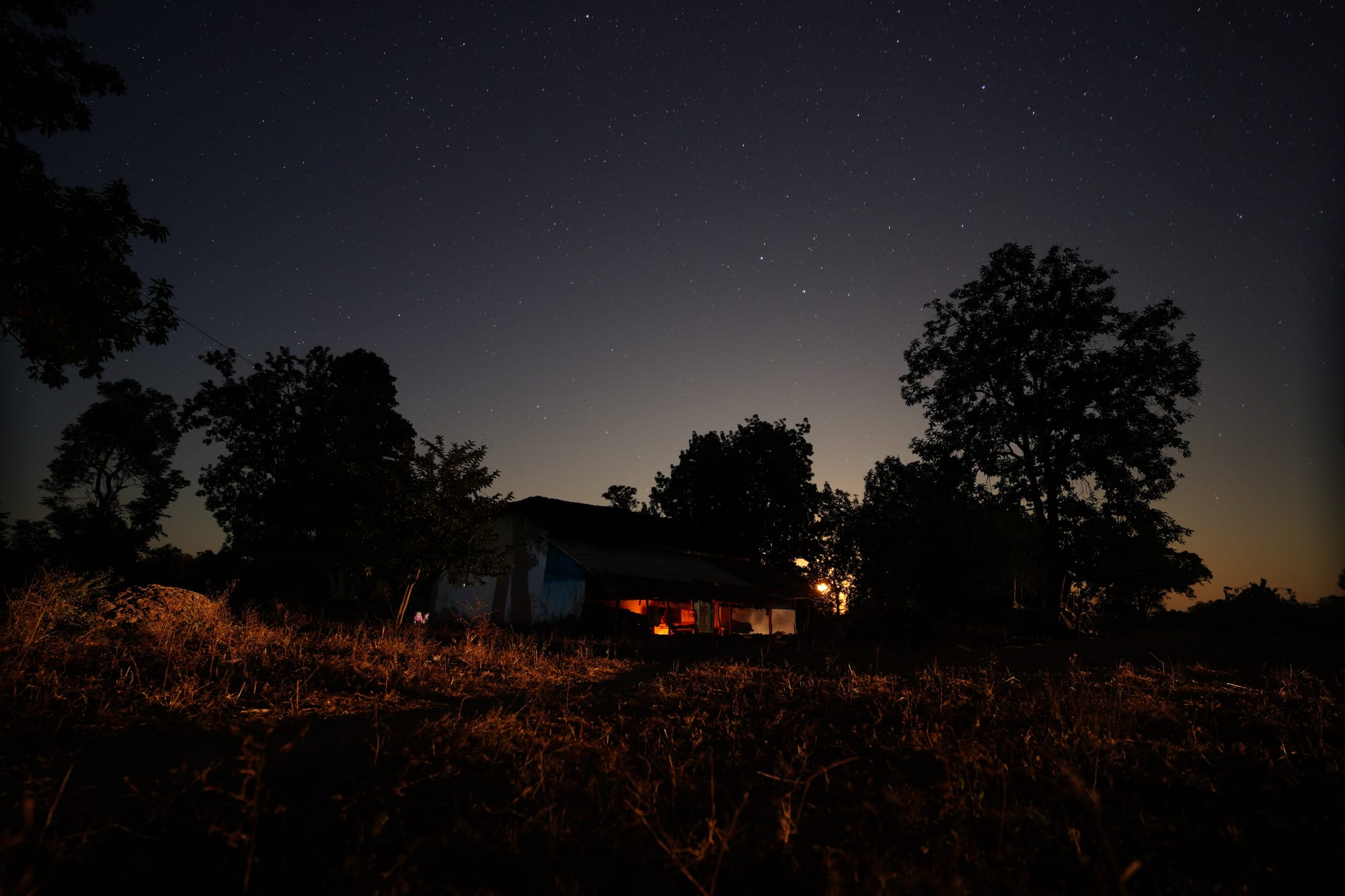
Much to be inspired by the local and its heritage. The forest was a universe of inspiration.
Every new venture's design seeks its own original path and is guided by its chosen stars. As a venture design and experience development team, this was what the team chose while spatially defining the address. Led at our end, by Pranali Daundker, Managing Partner and Head of Design at NYUCT Design Labs.
What gave further momentum and grip was her deep experience in the field of high value art and culture given her decades of curatorial experience. This experience in curating, exhibiting, valuing, restoring and presenting art and understanding cultural narratives, helped in giving a unique expression to Outpost 12's spatial and interior design. Our team included local crafts-folk, imaginative makers, designers, fabricators, material specialists, installation experts, who brought this to life.
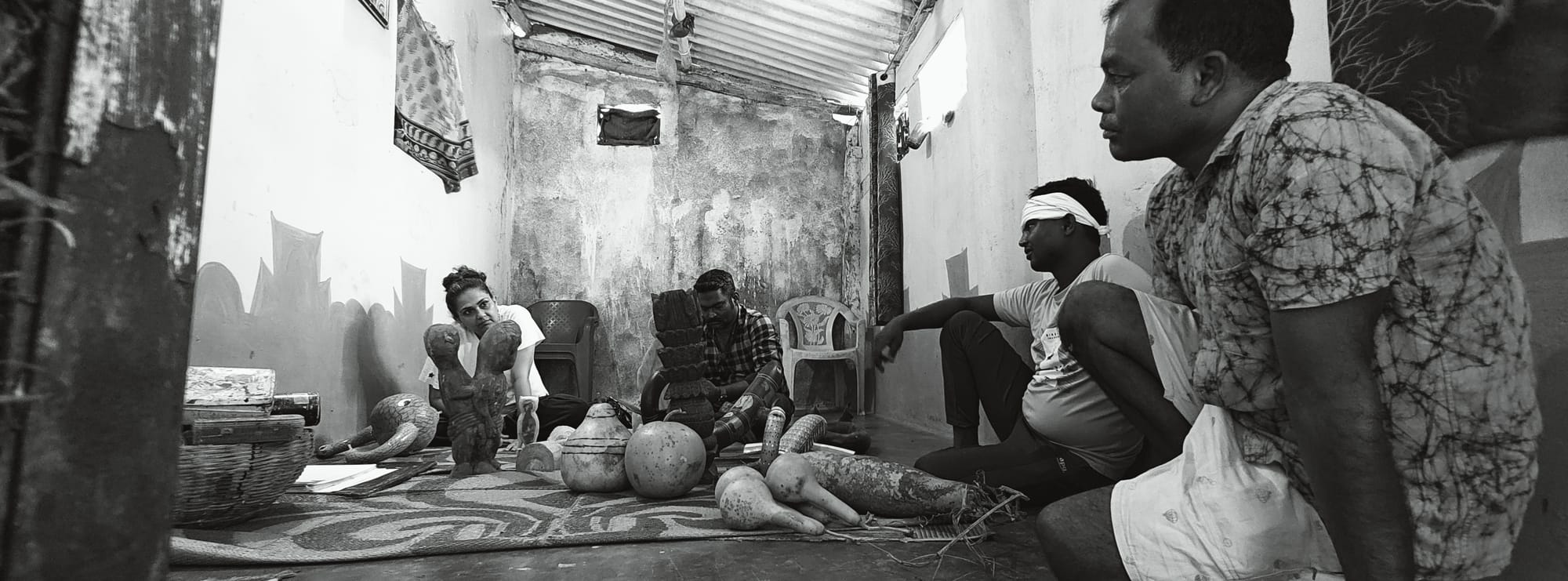
The stars and anchors that guided our path
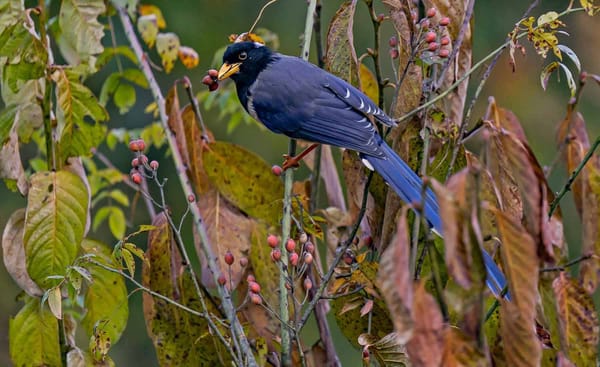
The forest
The jungle universe, its citizens and guardians were a key source of inspiration while conceptualizing artworks and spatial accessories. The exercise starts at two ends - site visits to immerse in what will eventually take hold of the design inspiration but also meeting local craftsmen, indigenous communities to determine what can be produced at scale based on design.
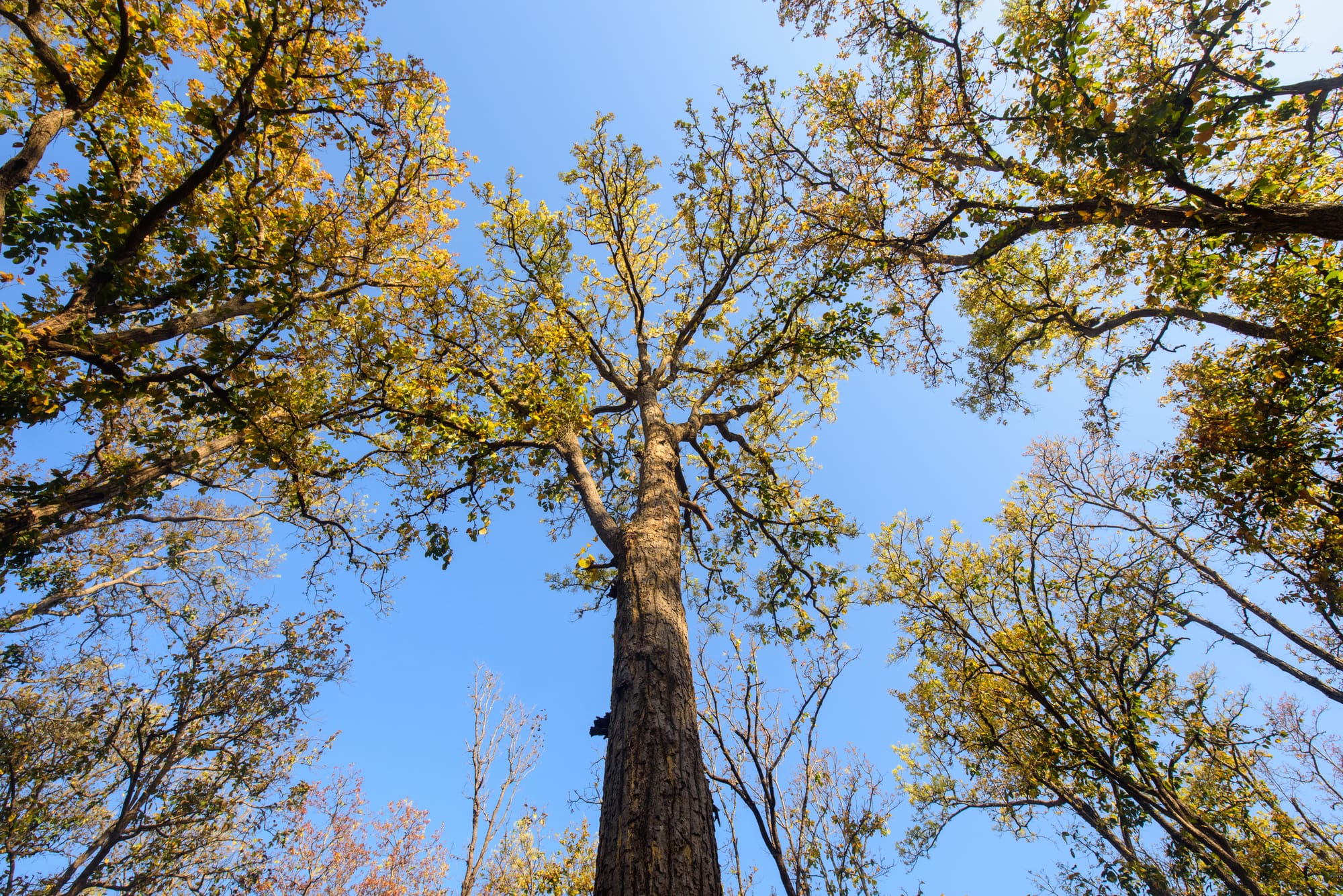
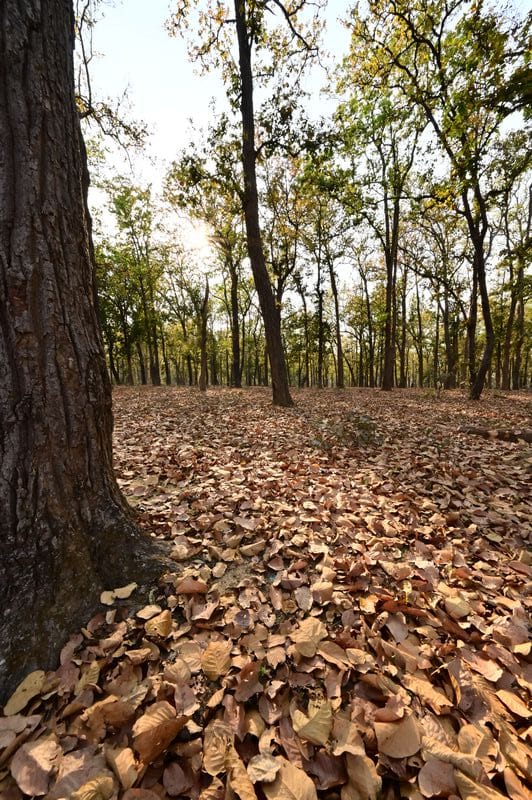
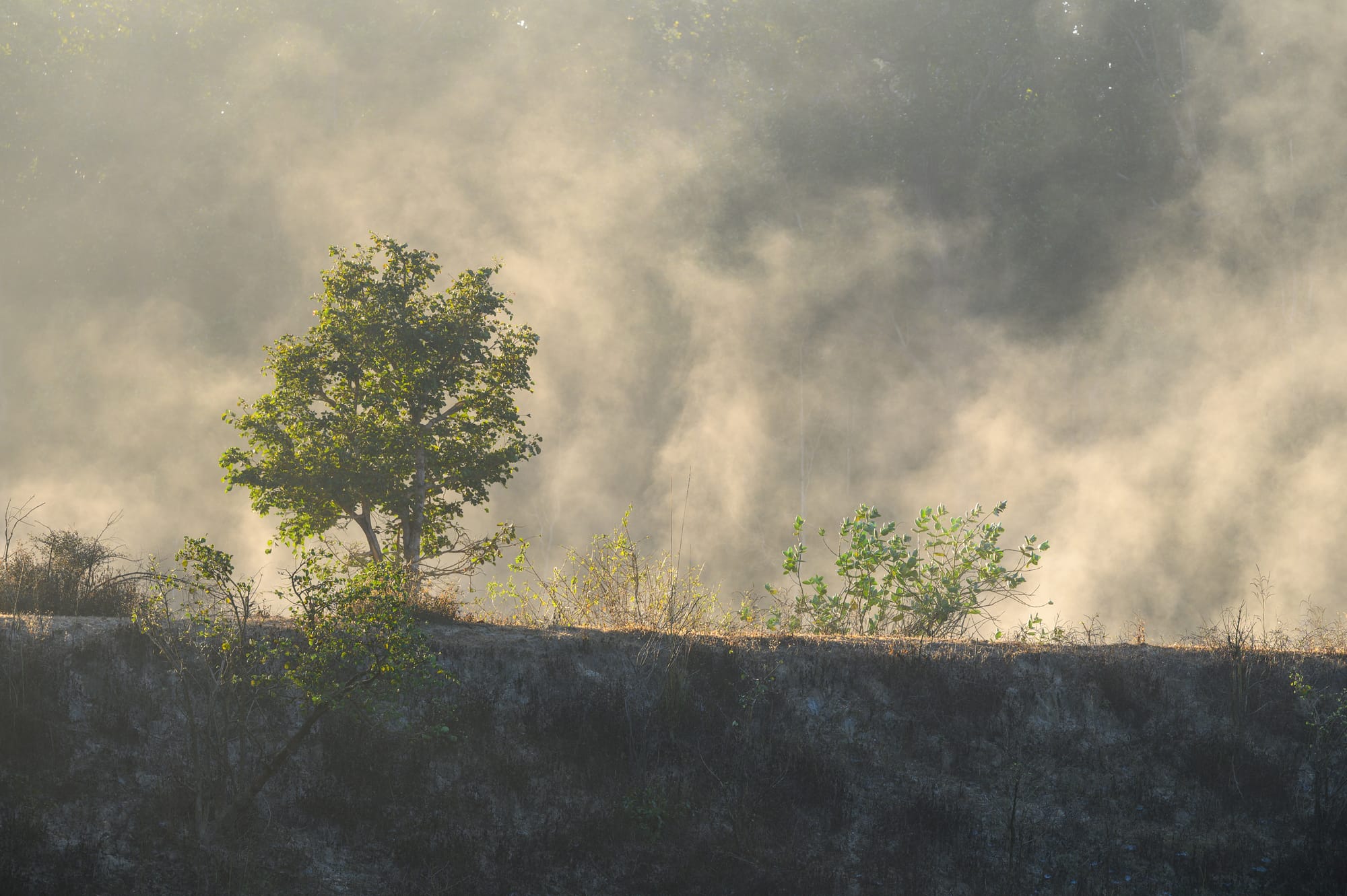
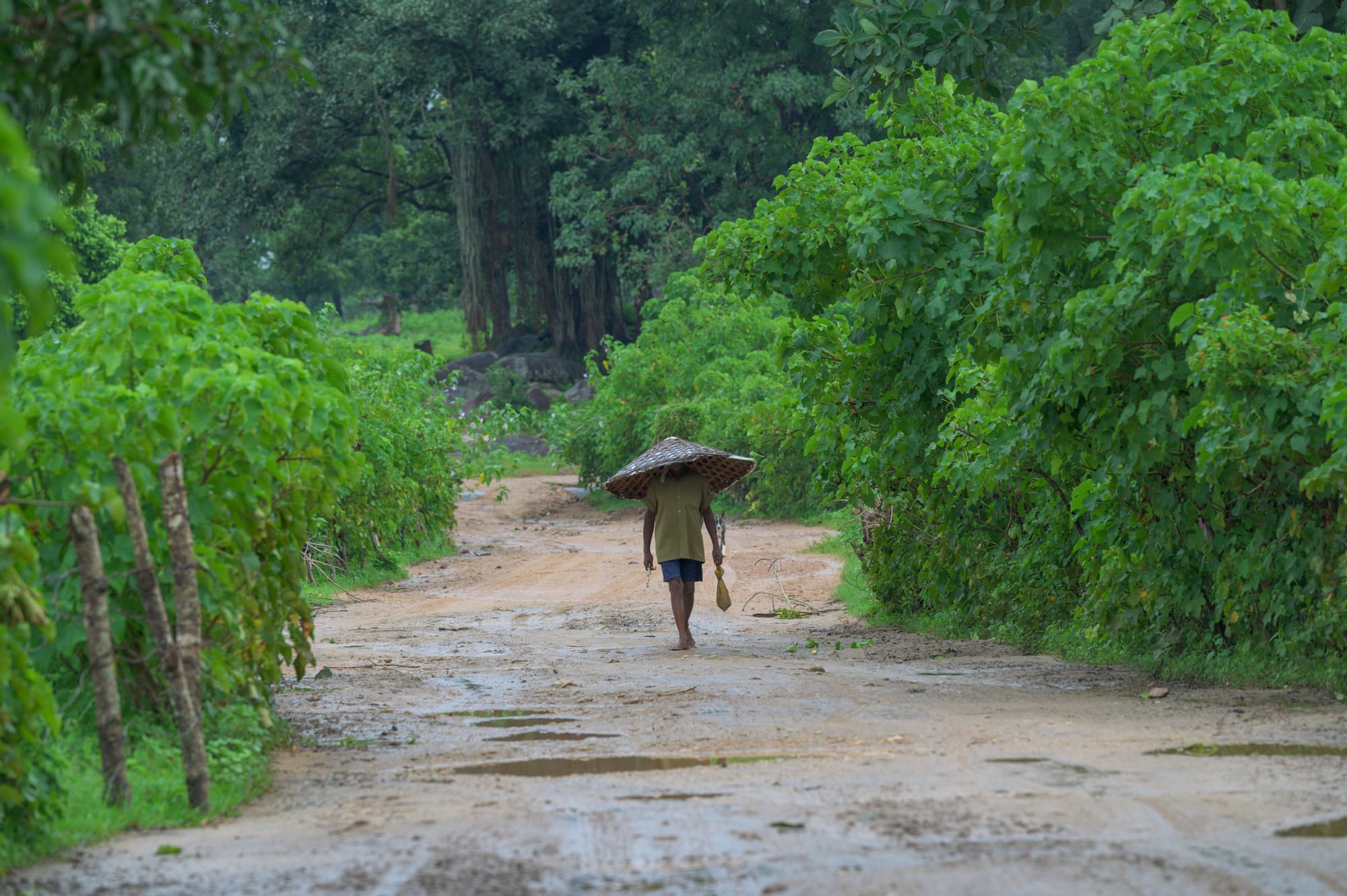
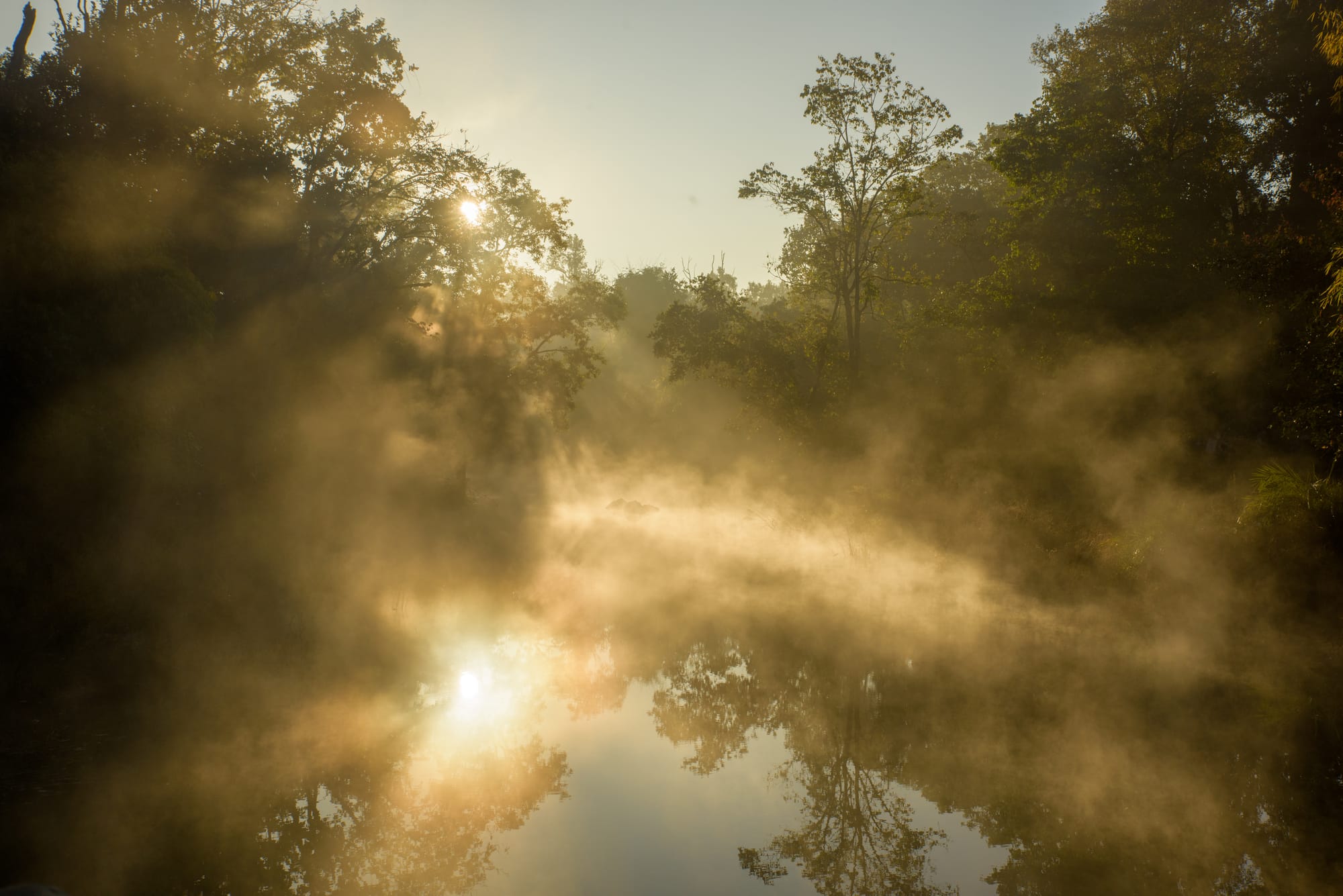
The jungle has many shades in Kanha and for an Experience Design & Development team, it is full of interpretations.
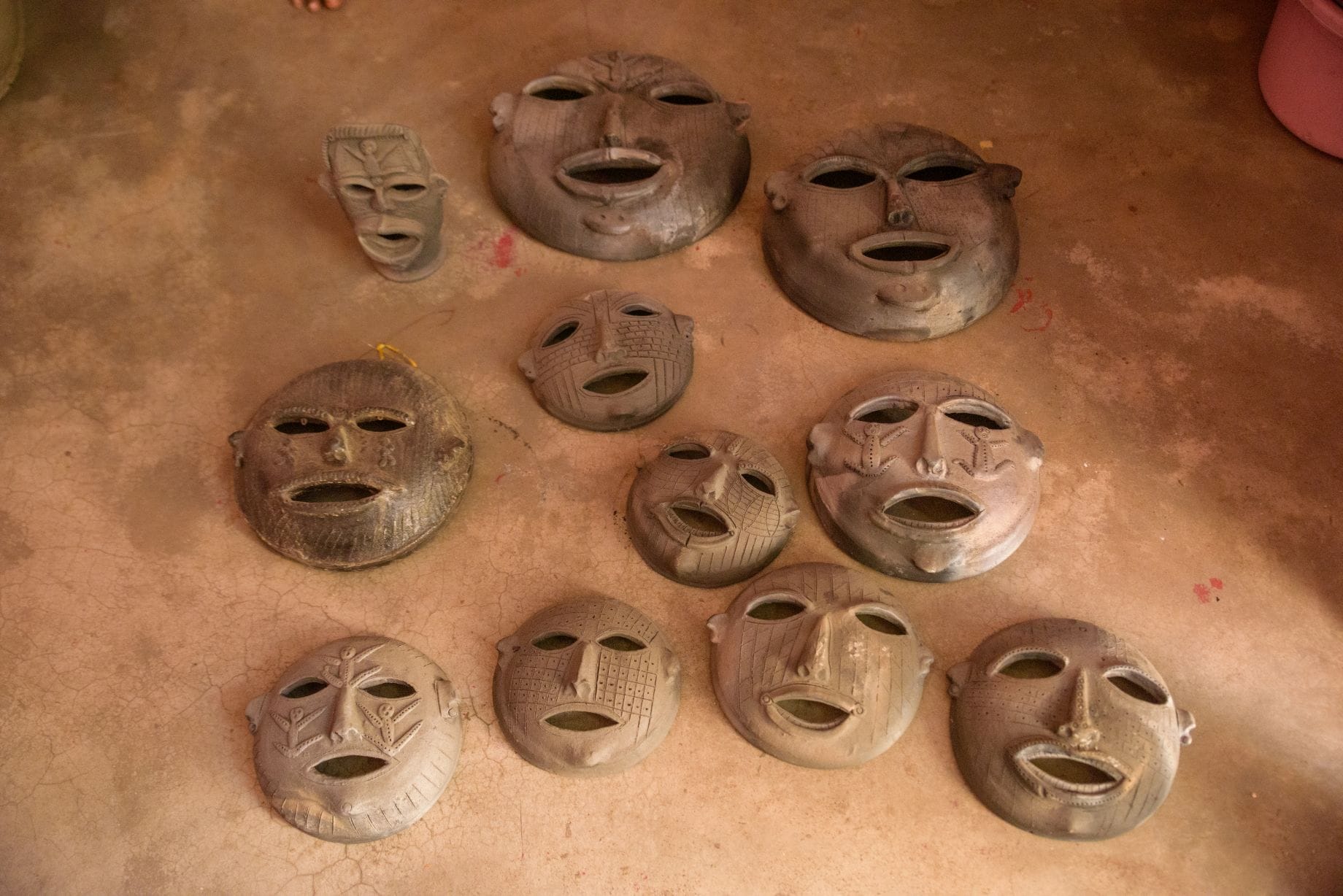
Elements were woven around the local flora, fauna, traditional culture and motifs. This translated into tattoo art, jewellery, graphic metaphors and artworks. Interpretive installations that presented the circular life and ethos in the jungle, the terracotta pieces baked and designed for carrying the spatial experience to the stretches of the lodge and artefacts that brought the forest into the room.
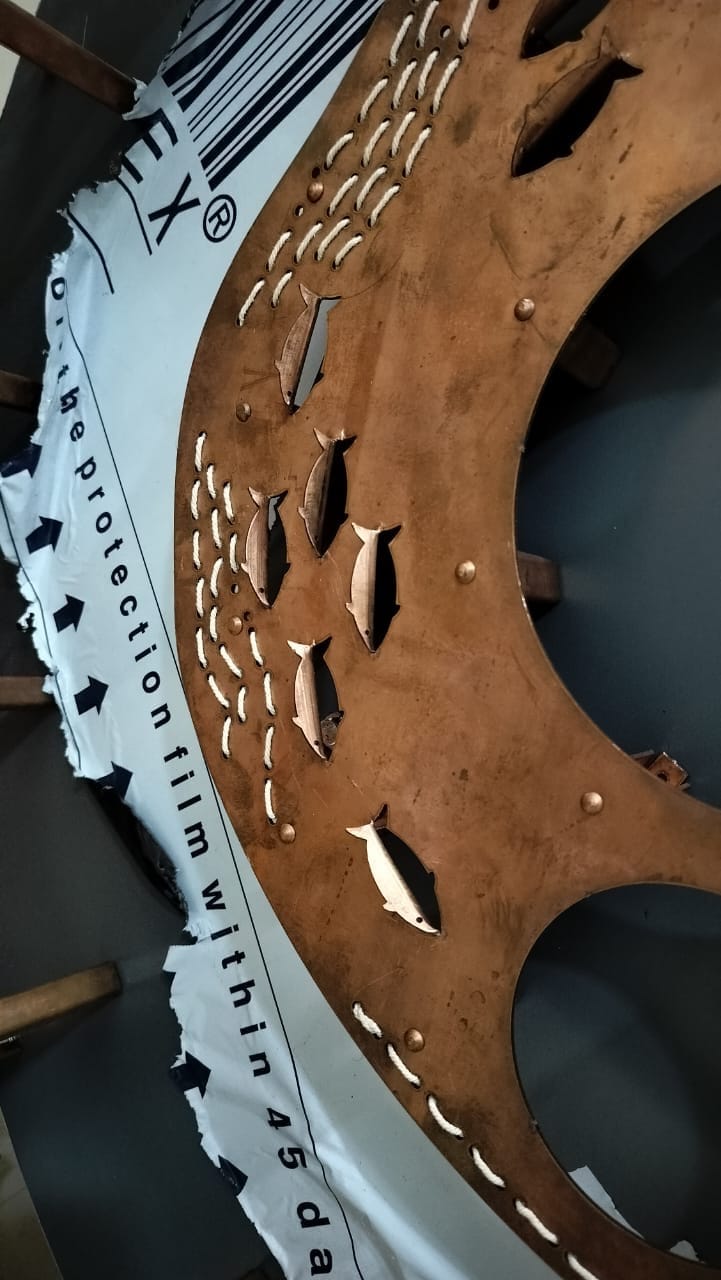
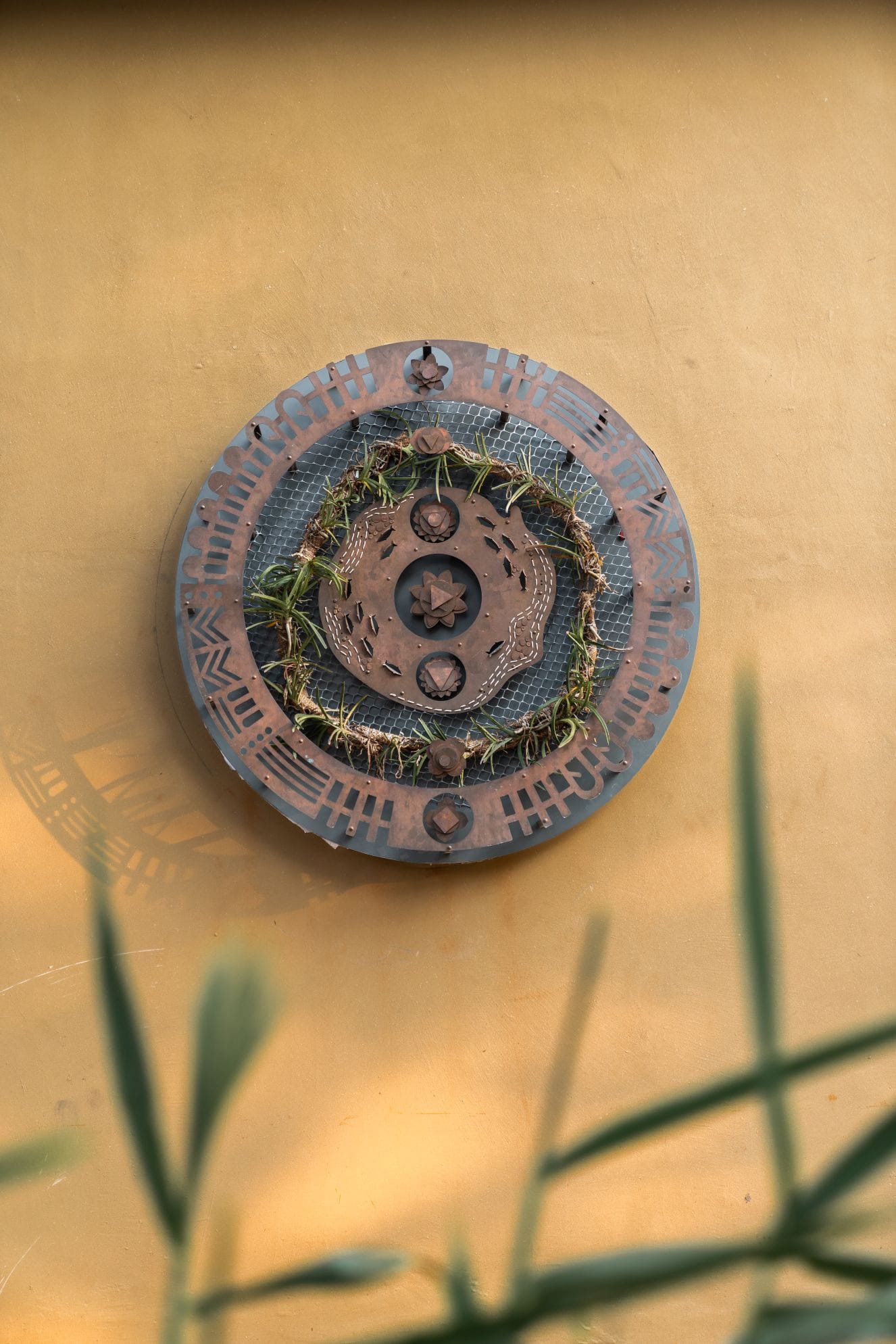
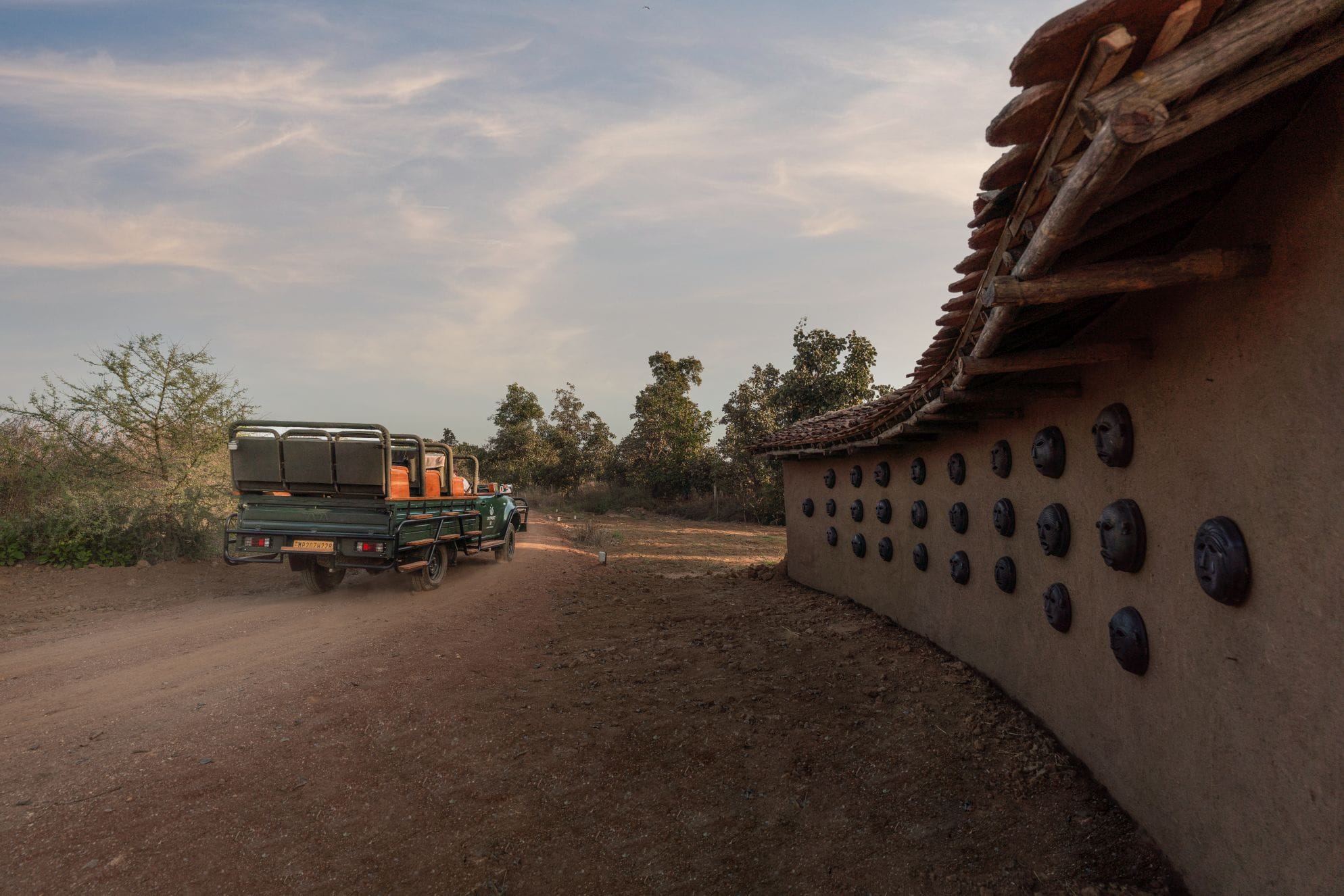
Life in Kanha is a universe all its own, guided by nature's elements and the lordship of the forest.
The living heritage of its first citizens
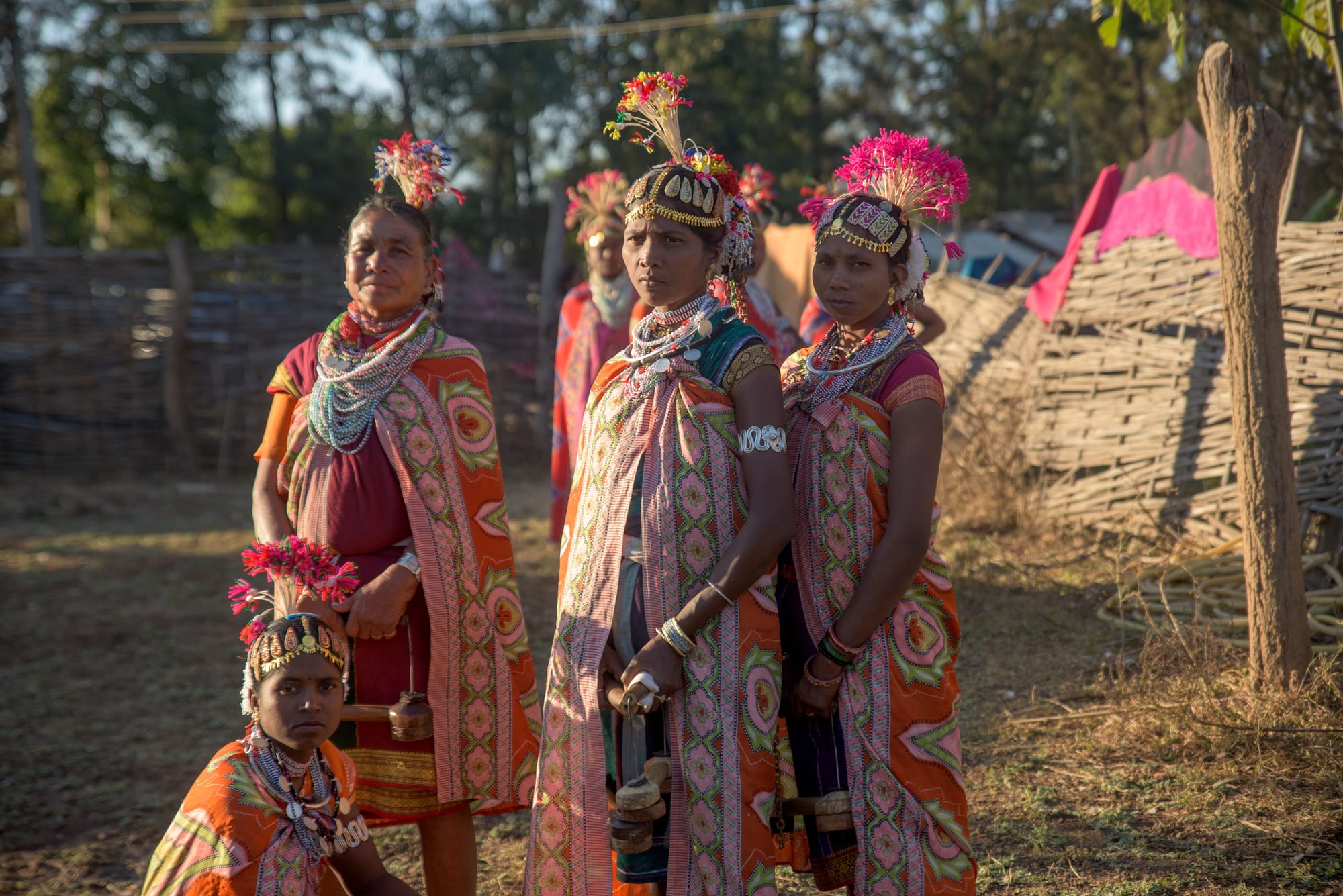
The Baiga tribe with their culture of living tattoo art and vibrant livery form the backdrop of the artworks. The indigenous animist culture, customs, rituals and
aesthetics remained the guiding spirit.
A Baiga folktale on the creation of the earth
In the earliest of times there was only water all around. On that water, an old leaf would float and God would rest on that leaf. After spending a long time this way, God began to reflect on the absence of land amidst all the water. God then used the dirt of his chest to create a crow. He ordered Crow, ‘Go Crow, and find land.’ Crow flew away in search of land and after a while he came across a tortoise named Kunwar Kakaramal. The tortoise had huge tusks. Crow had gotten tired with all the flying and sat down to rest on his tusks. He said to the tortoise, ‘Kunwar Kakaramal, do not lie to me. Tell me honestly where I can find land. I have come to take soil from the land.’ On hearing this, the tortoise secured Crow in his tusks and took him to the Paataal Lok (nether world), where the land and its soil had been seized and hidden by Raja Kichakmal. On being asked for some soil, the Raja gave it to Crow and the tortoise Kakaramal brought him back from the depths of the Paataal Lok. The Crow then gave the soil to God. God created a churner using a large vessel and a snake, and used it to churn the soil brought by Crow. He churned the soil well and allowed it scatter all around on the water to create land. Soon after, as God was roaming in all four directions to inspect the earth that he had created, he realized the land was movable and would shake continuously. He immediately created the Agaria (community of traditional iron smelters). The Agaria made four large nails of iron. After this God created the Nanga Baiga who then secured the land by nailing down the four corners of the earth and put an end to the shaking of the earth. Ever since the Baigas are known as the protectors of the earth. (Source: Translated from Hindi in a compilation of folktales titled 'Adivasi Lok Kathaayein' (1989) published by Madhya Pradesh Adivasi Lokkala Parishad, Bhopal.)
For the Experience & Spatial Designers at our end, it meant understanding and then interpreting the ancient traditions and practices of one of the oldest tribes in India. And then conceptualising the visual expression both in terms of cultural resonance and interior aesthetics.
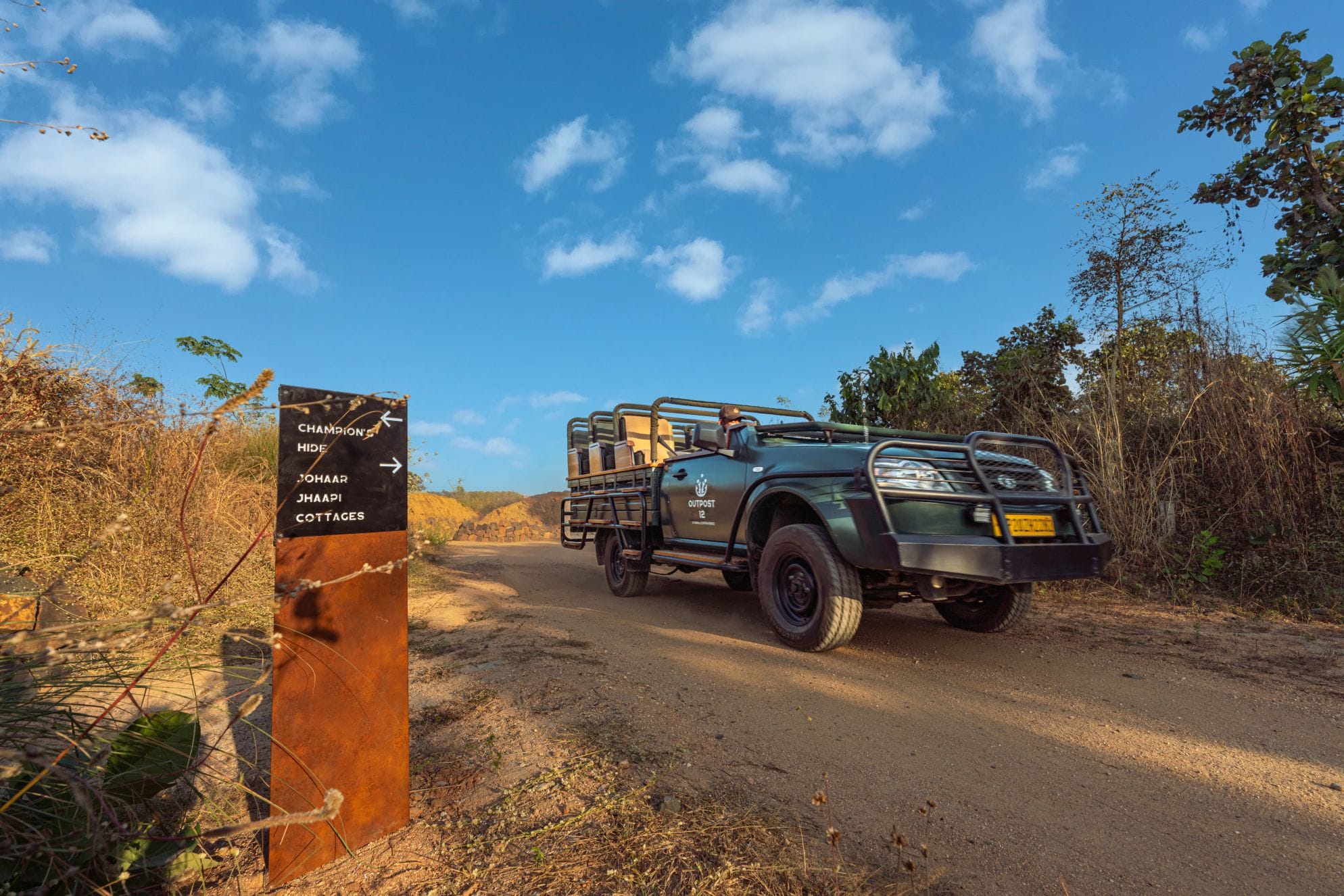
The making of Outpost 12 has been an off-road adventure, with business design, product development, brand design & development, experience design and marketing rolled into one. From blueprint to market. As a jungle safari lodge owned and led by naturalists, Outpost 12 breaks the template and goes off the beaten track, much like the custom-made 9-seater 4X4 that was designed for this forest-first product. Thereby presenting a Kanha, that is uniquely indigenous and interpretive.
The Baiga tribe remains exemplary in their philosophy. Known to be hunter-gatherers and their practice of shifting (swidden) agriculture, Baigas are known for their detachment with material possessions, and reverence for the earth. Traditionally, the Baigas practiced “Bewar,” the local term for their shifting cultivation that maintains soil fertility and promotes forest diversity. They also believe that God created forests to suffice for the sustenance of human beings, and gifted the Baigas with the wisdom to discover everything that the forest could provide.
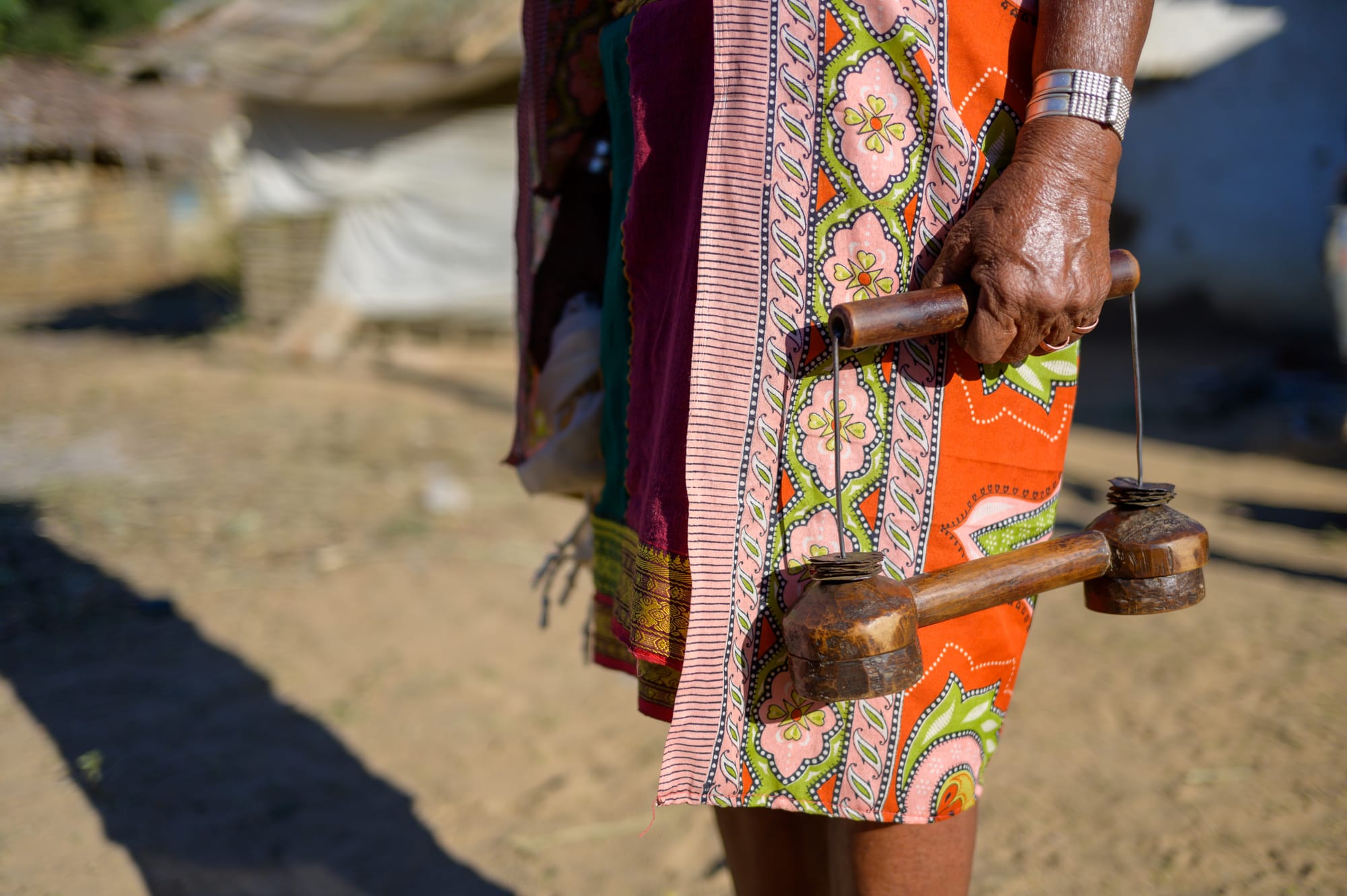
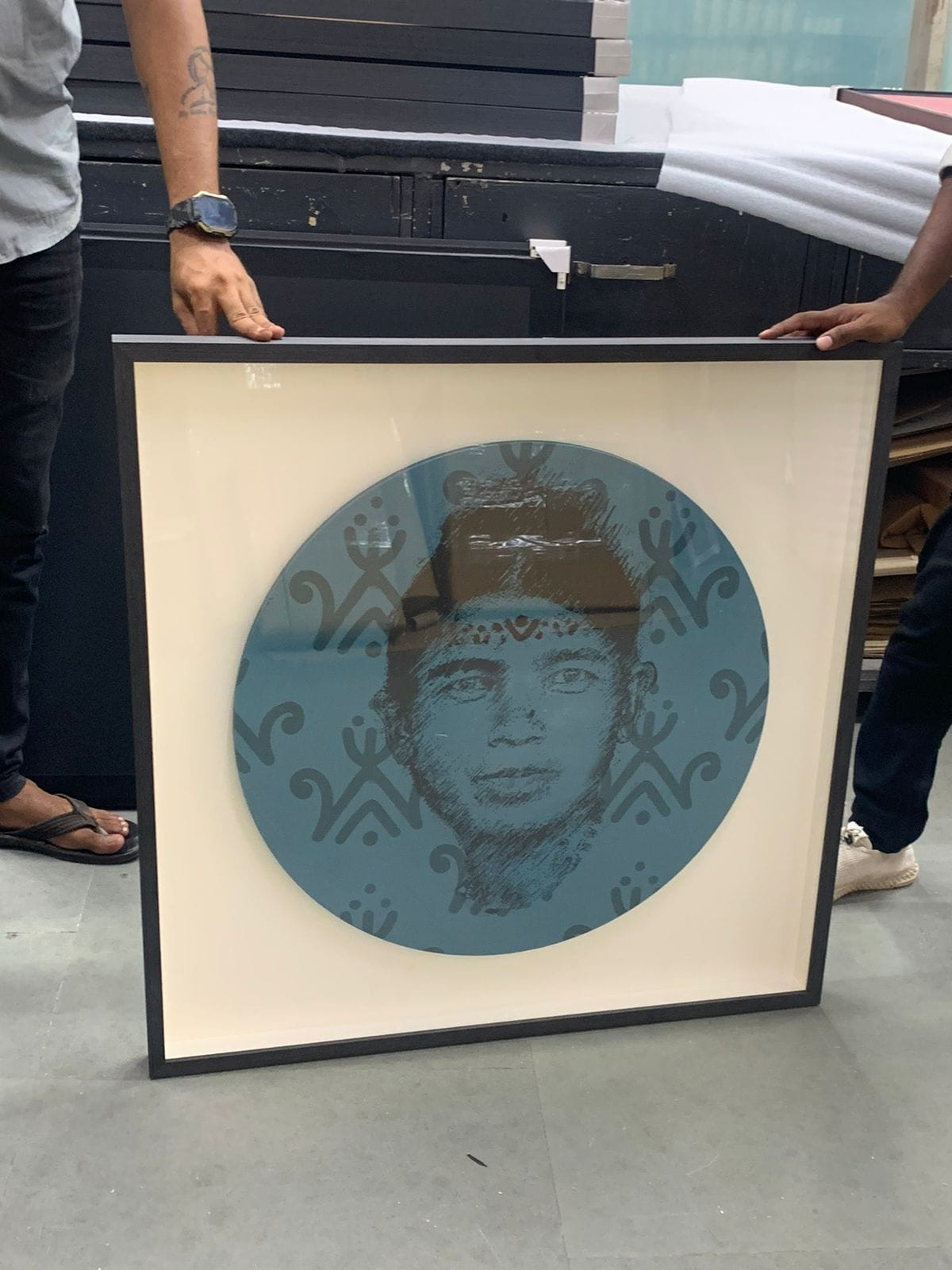
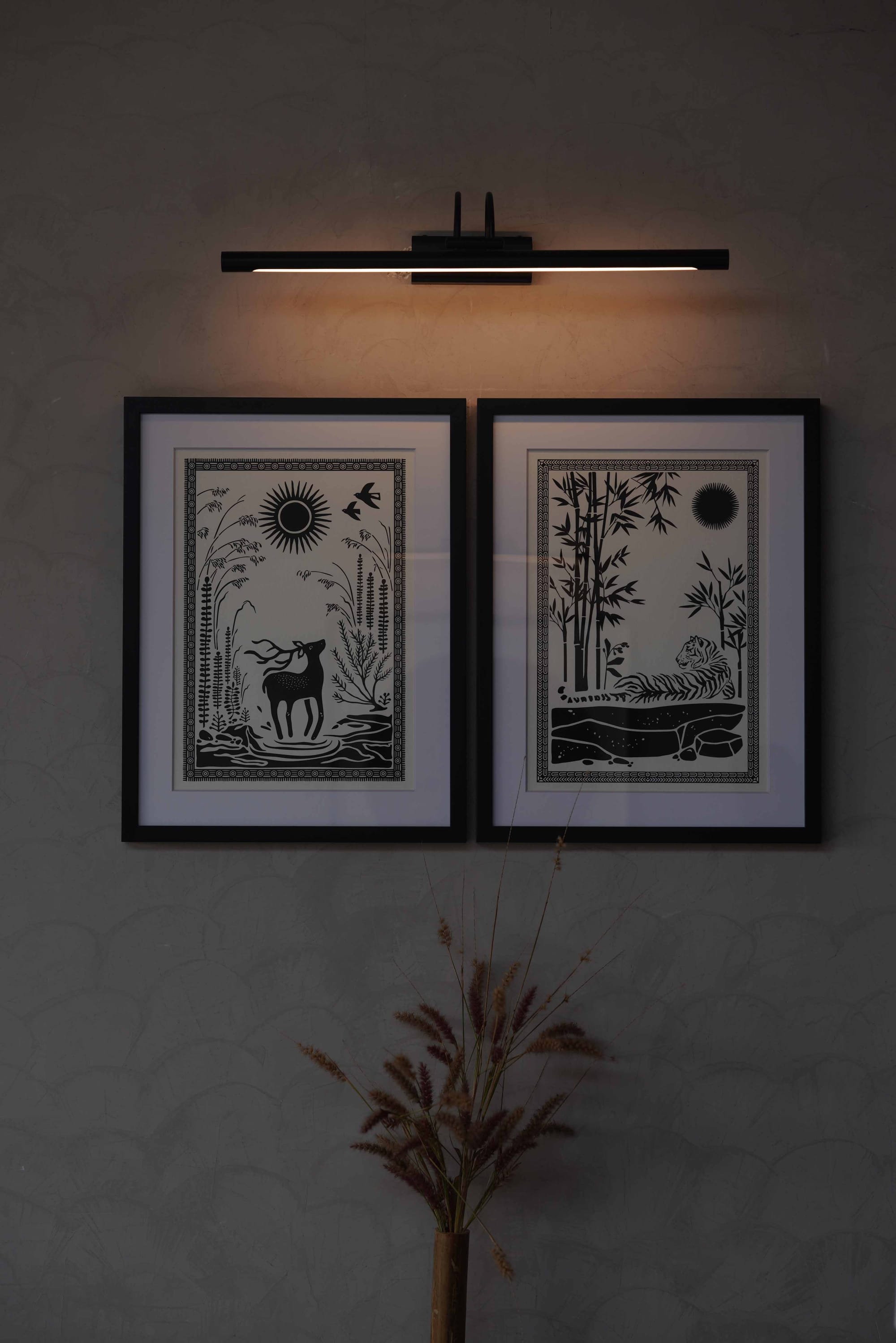
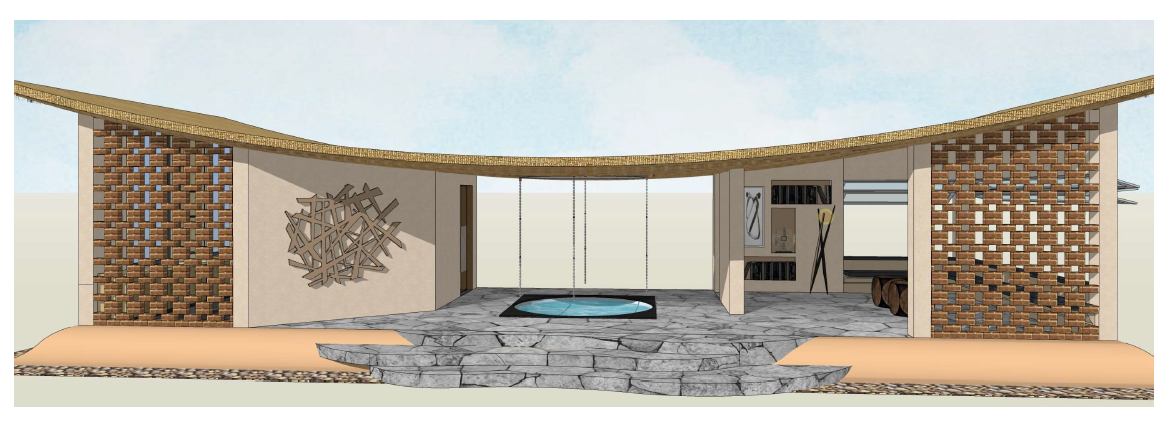
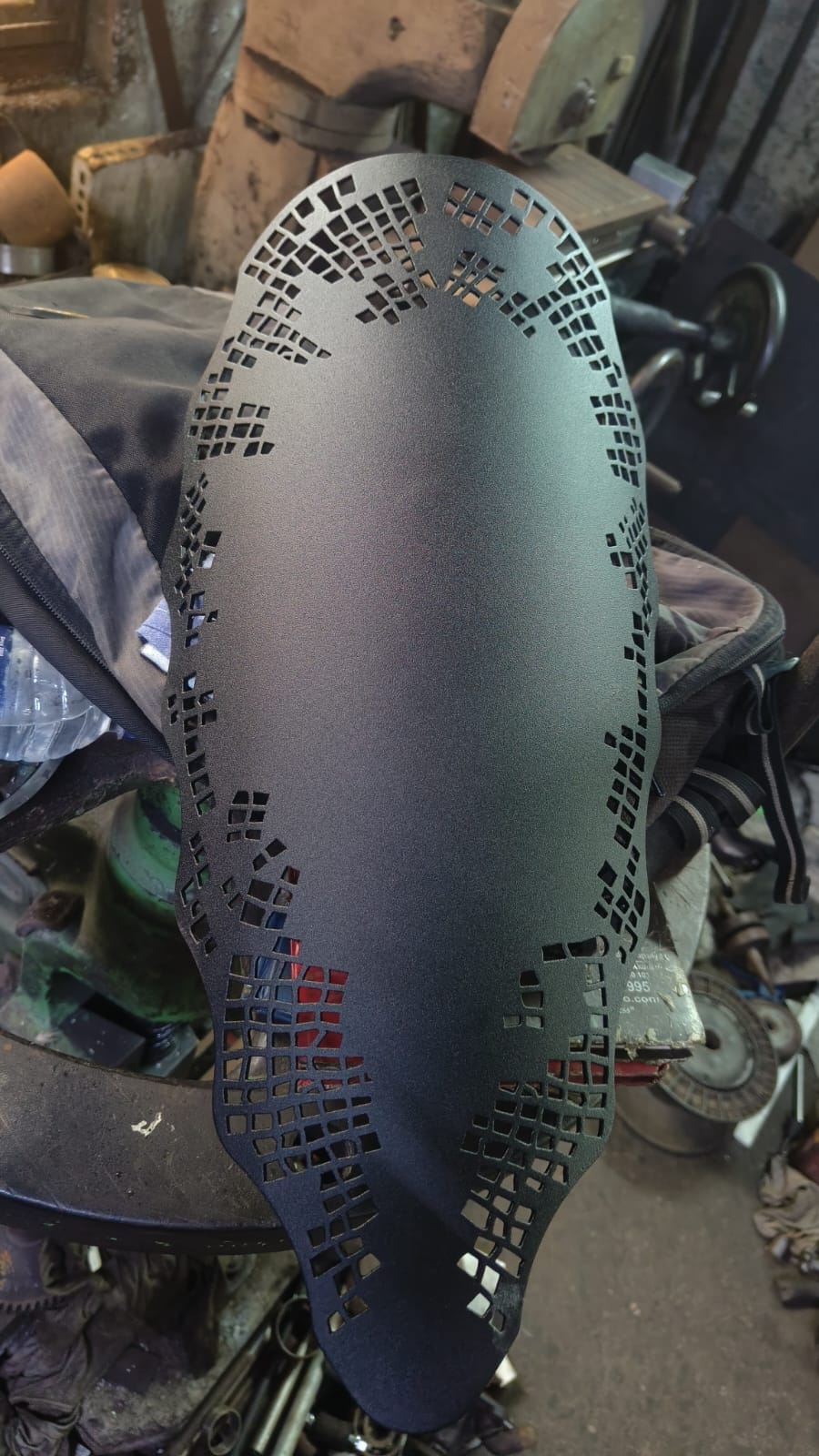
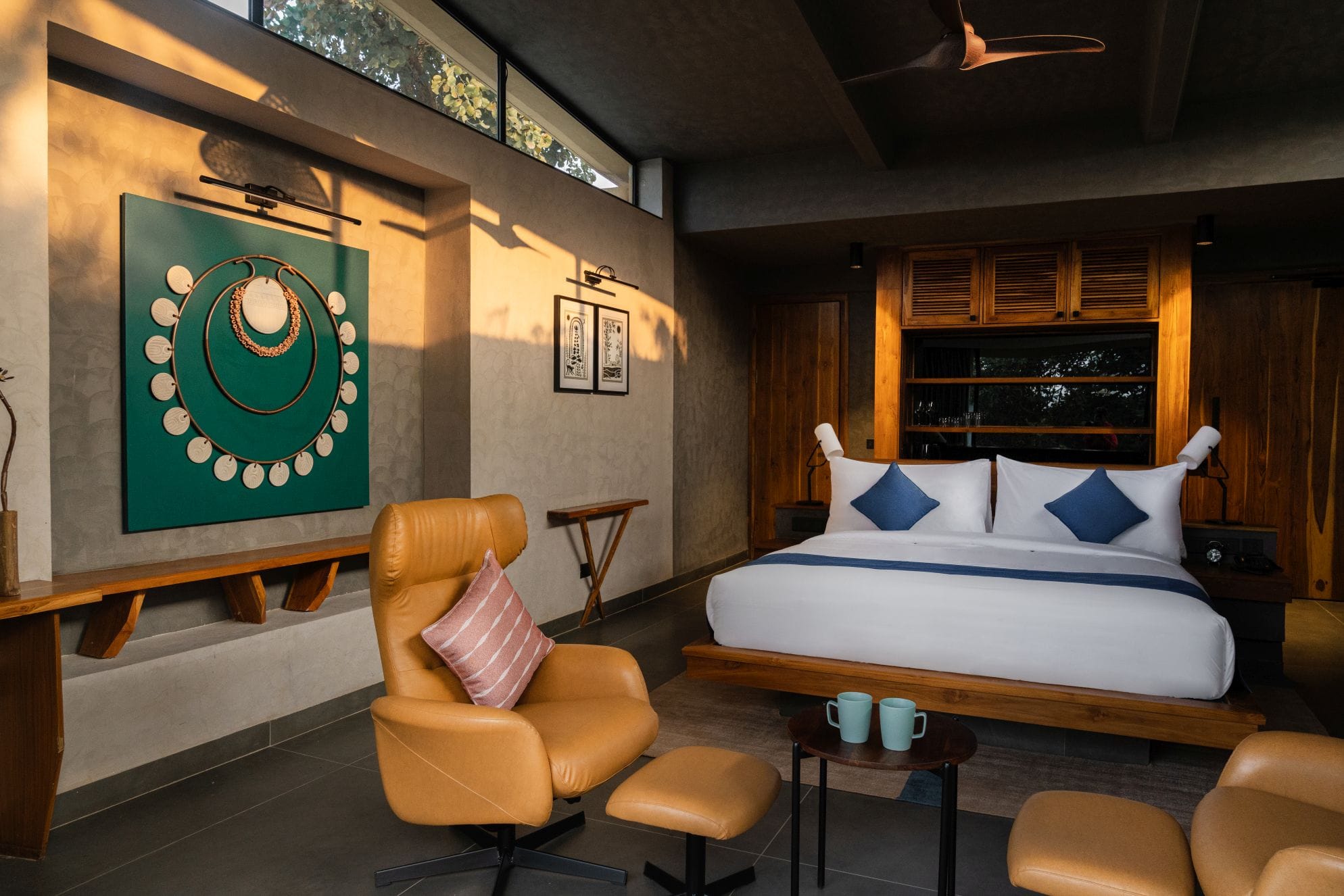
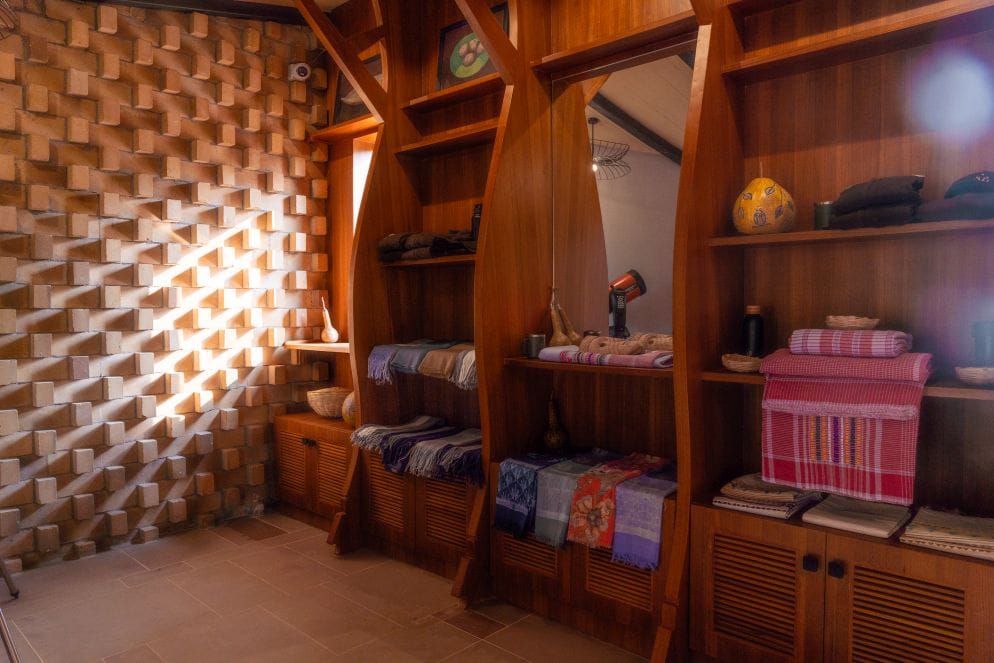
"Through the exhibits, jewellery forms, tattoo bearers and inked portraits, the local culture and traditions are at the center of the spatial and interior story of Outpost 12" - Pranali D. Managing Partner at NYUCT Design Labs
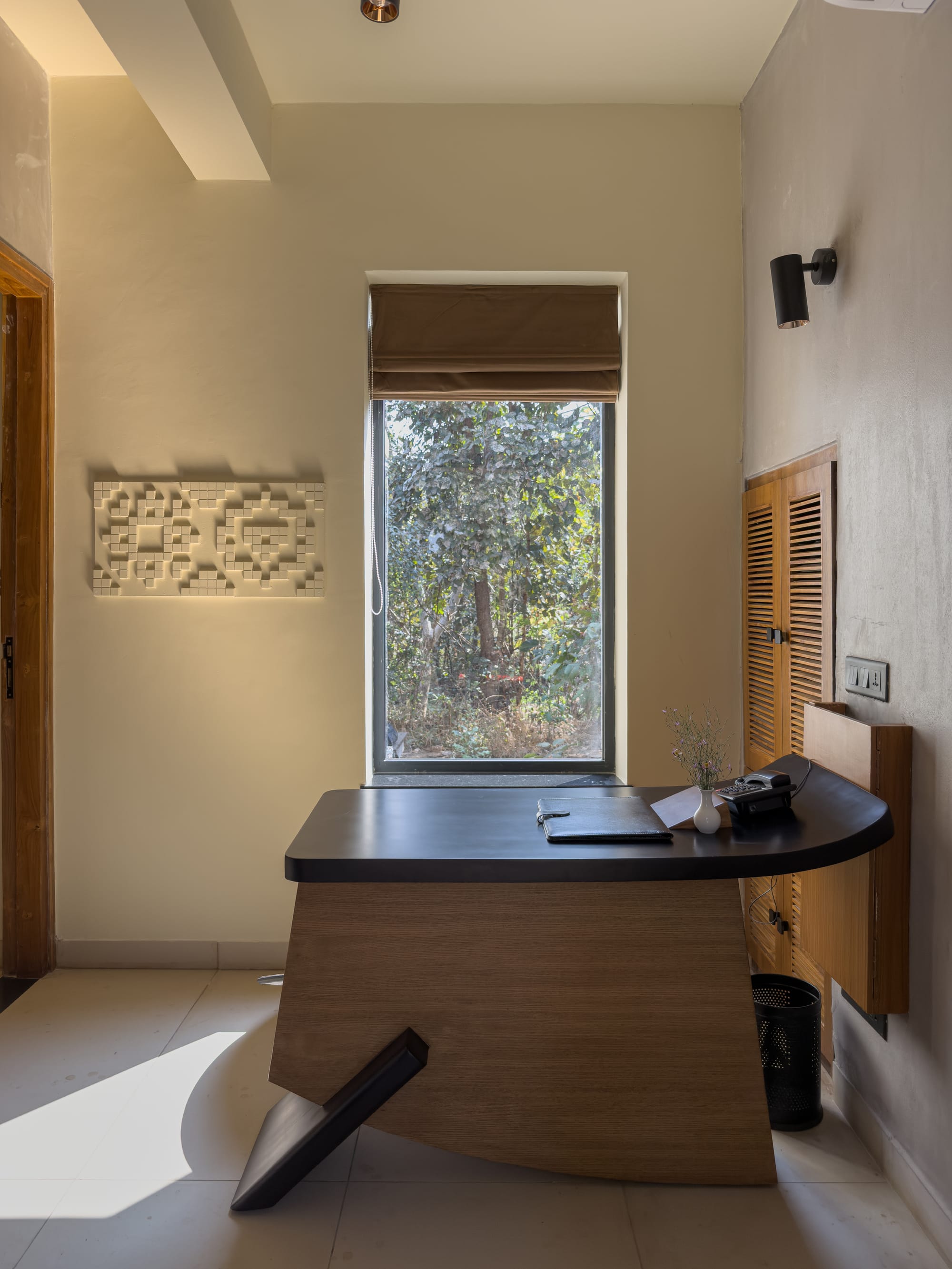
The design interpretation for Outpost 12 wove in elements of culture, legends, folk art and natural material. Each artefact, each exhibit was handcrafted and diligently stuck to the need for details as also resilience for the local weather. From concept to drawing, design, fabrication, accessorisation and installation.
Motifs from the land
Minimalist in design and functional in form, the Baiga tribal jewellery is inspired by the landscape; ornaments are made from colourful beads, seeds and coins made from naturally sourced metals. On special occasions, ornaments are often matched
with feathered headgear worn by both tribal men and women.
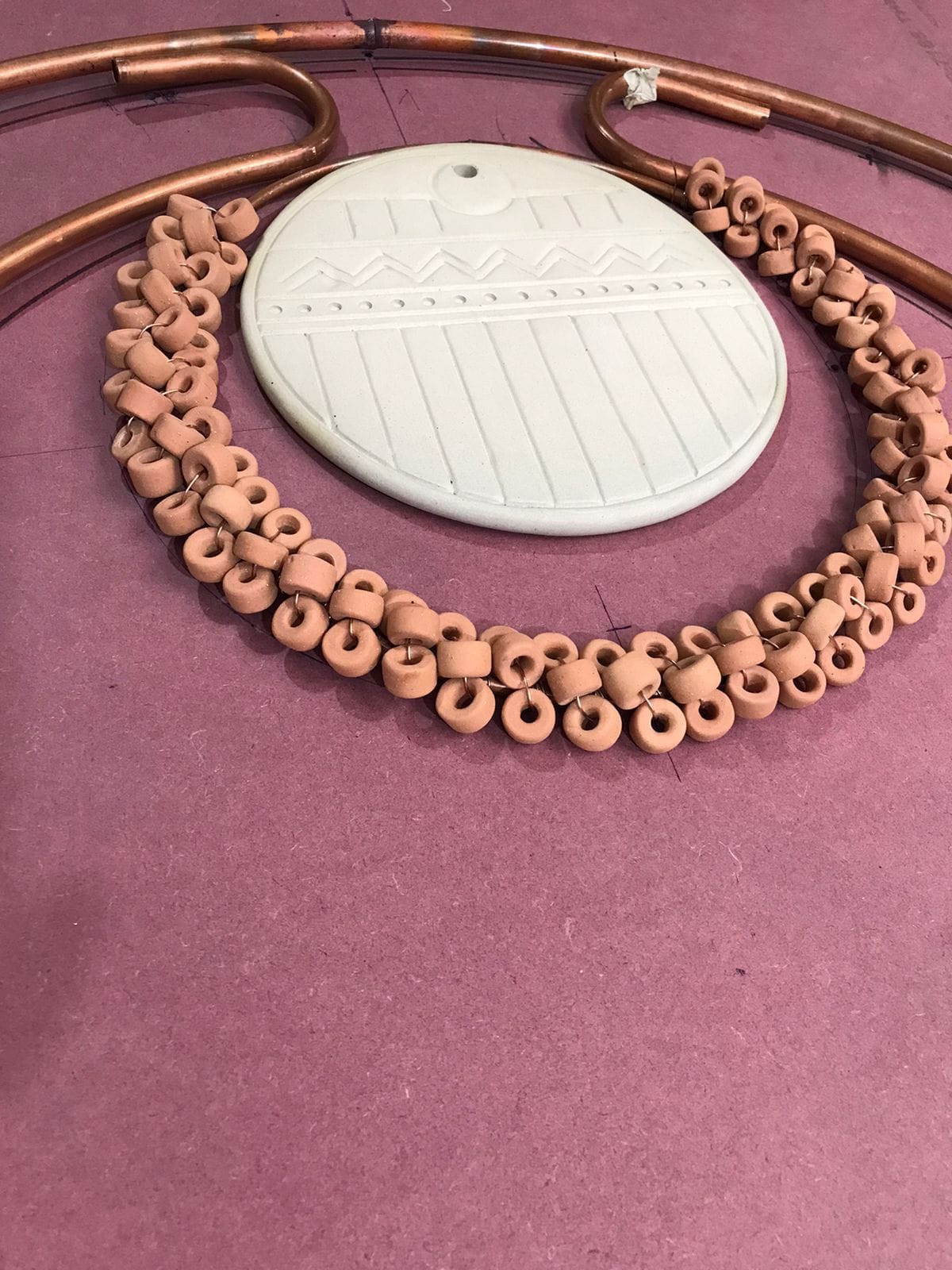
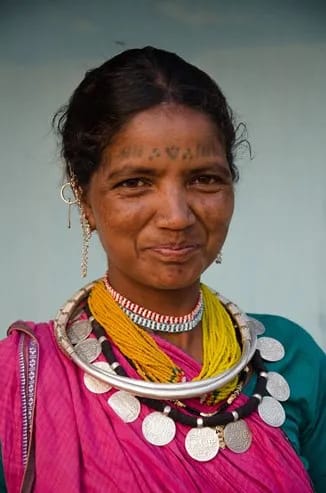
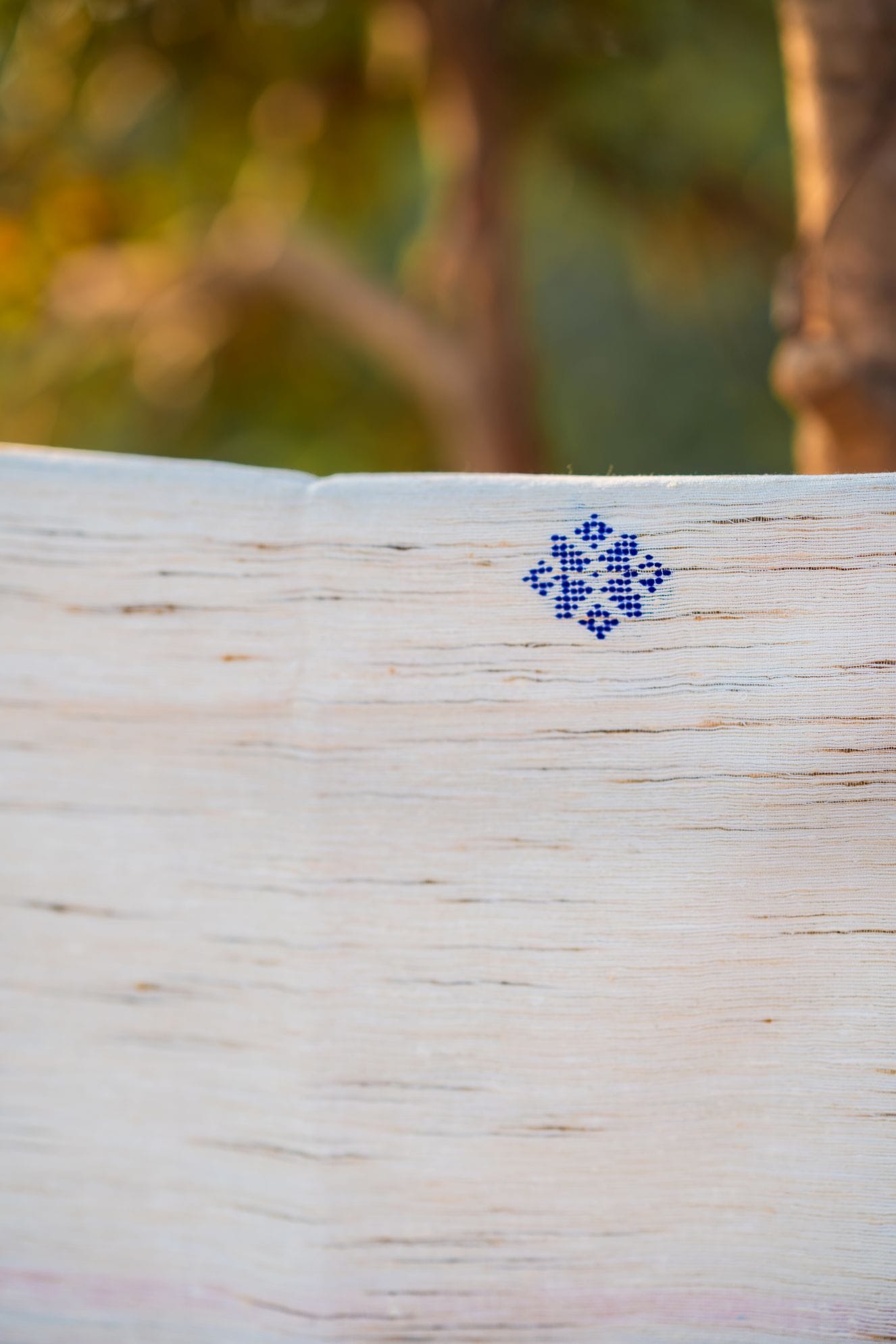
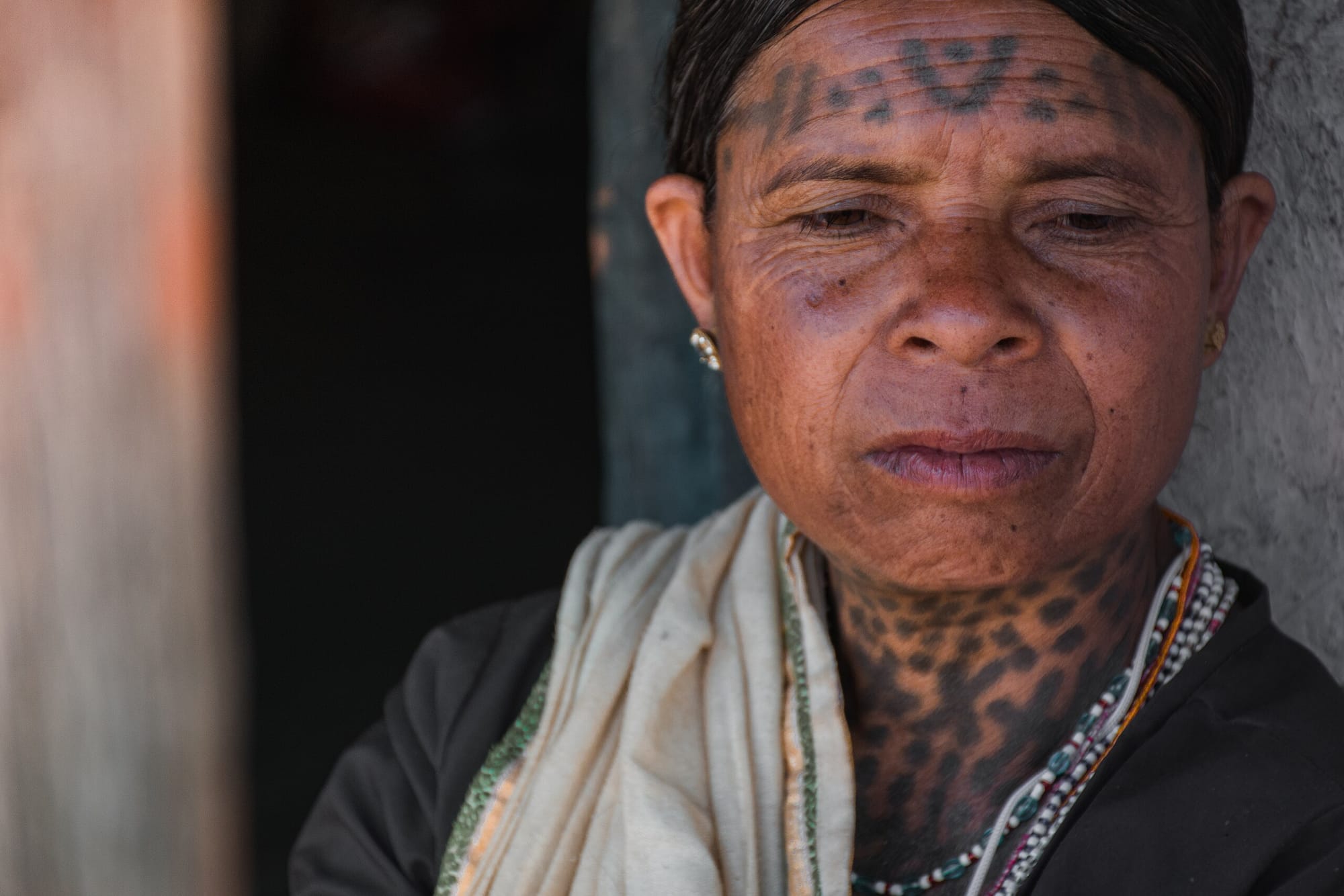
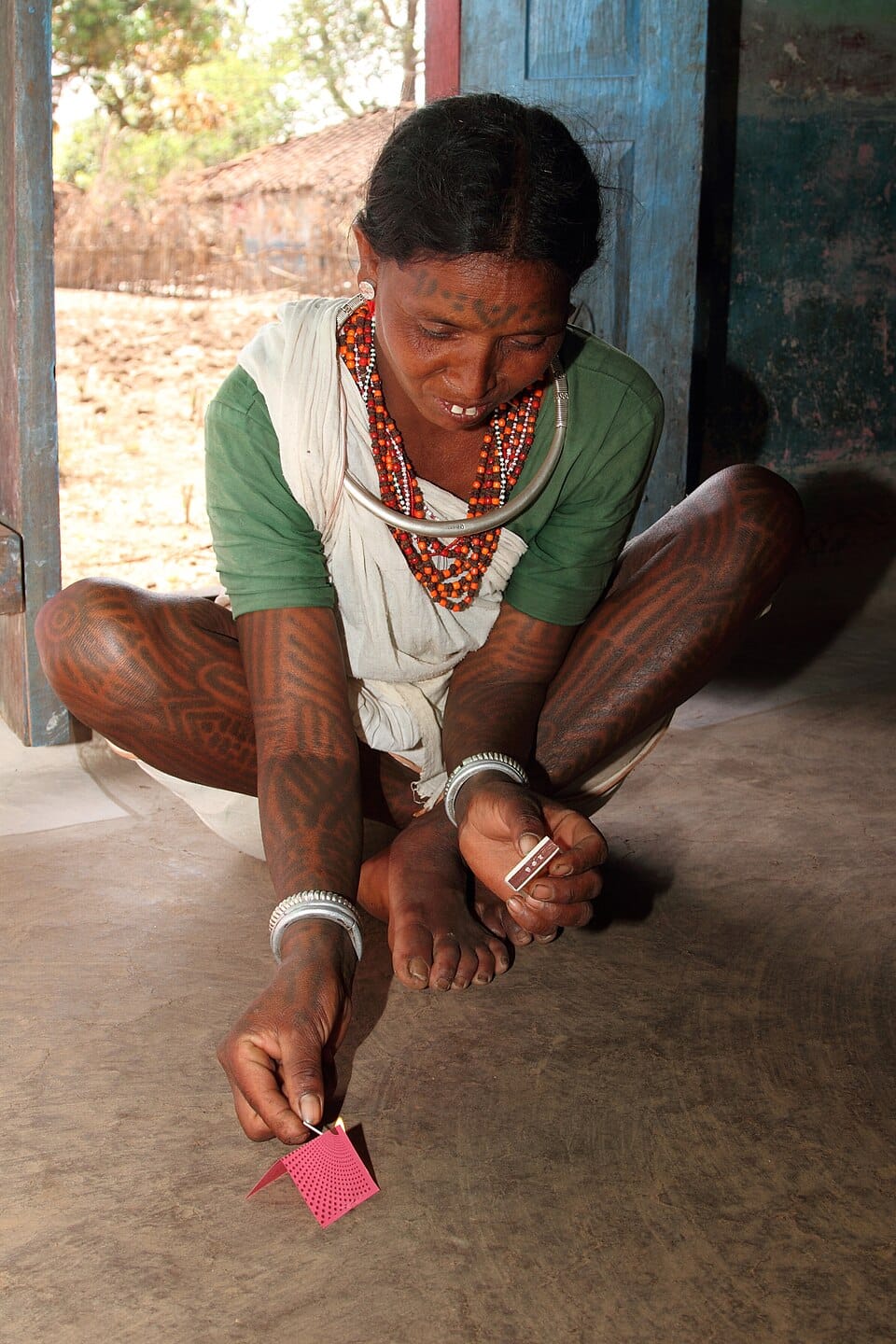
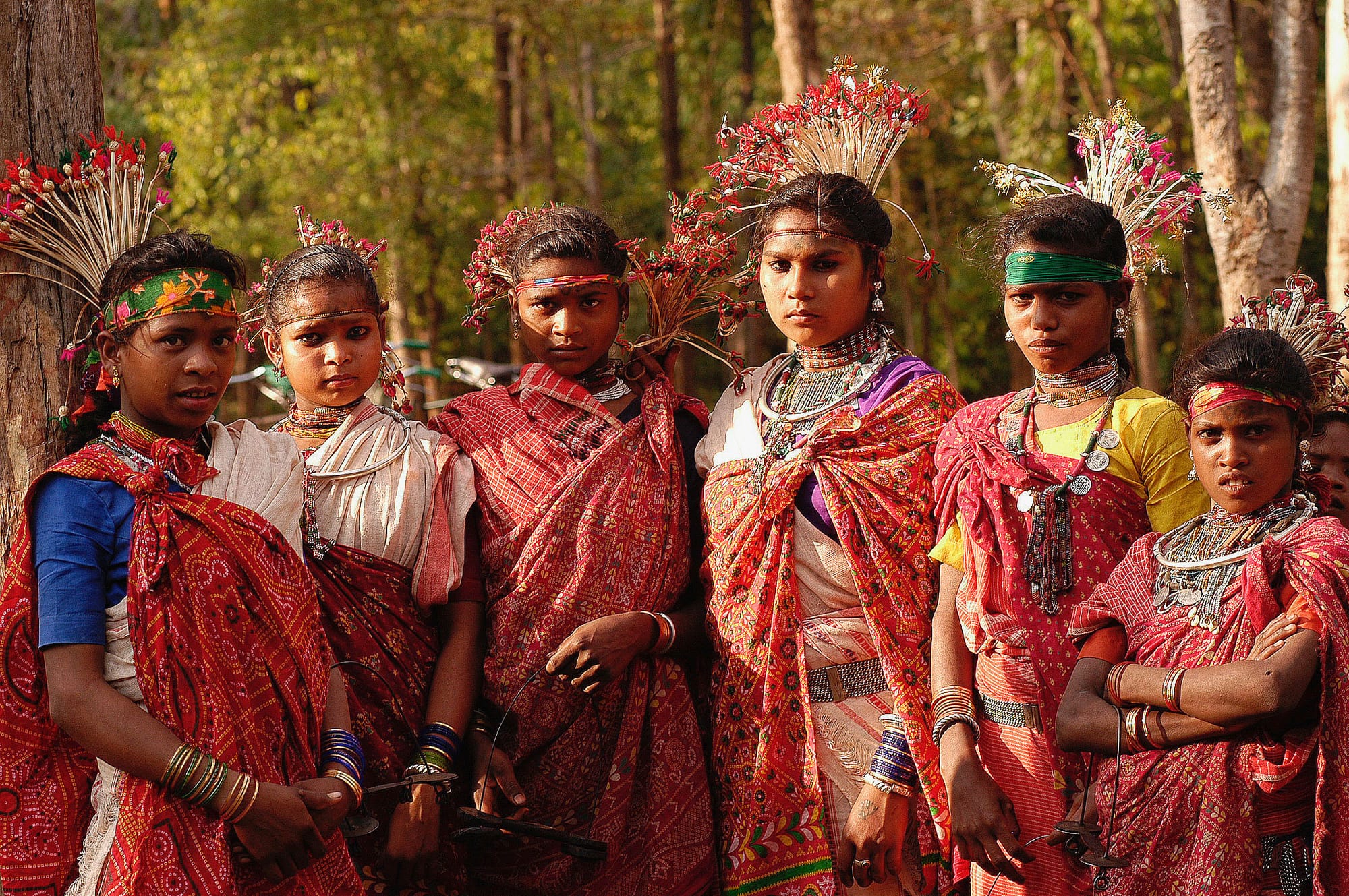
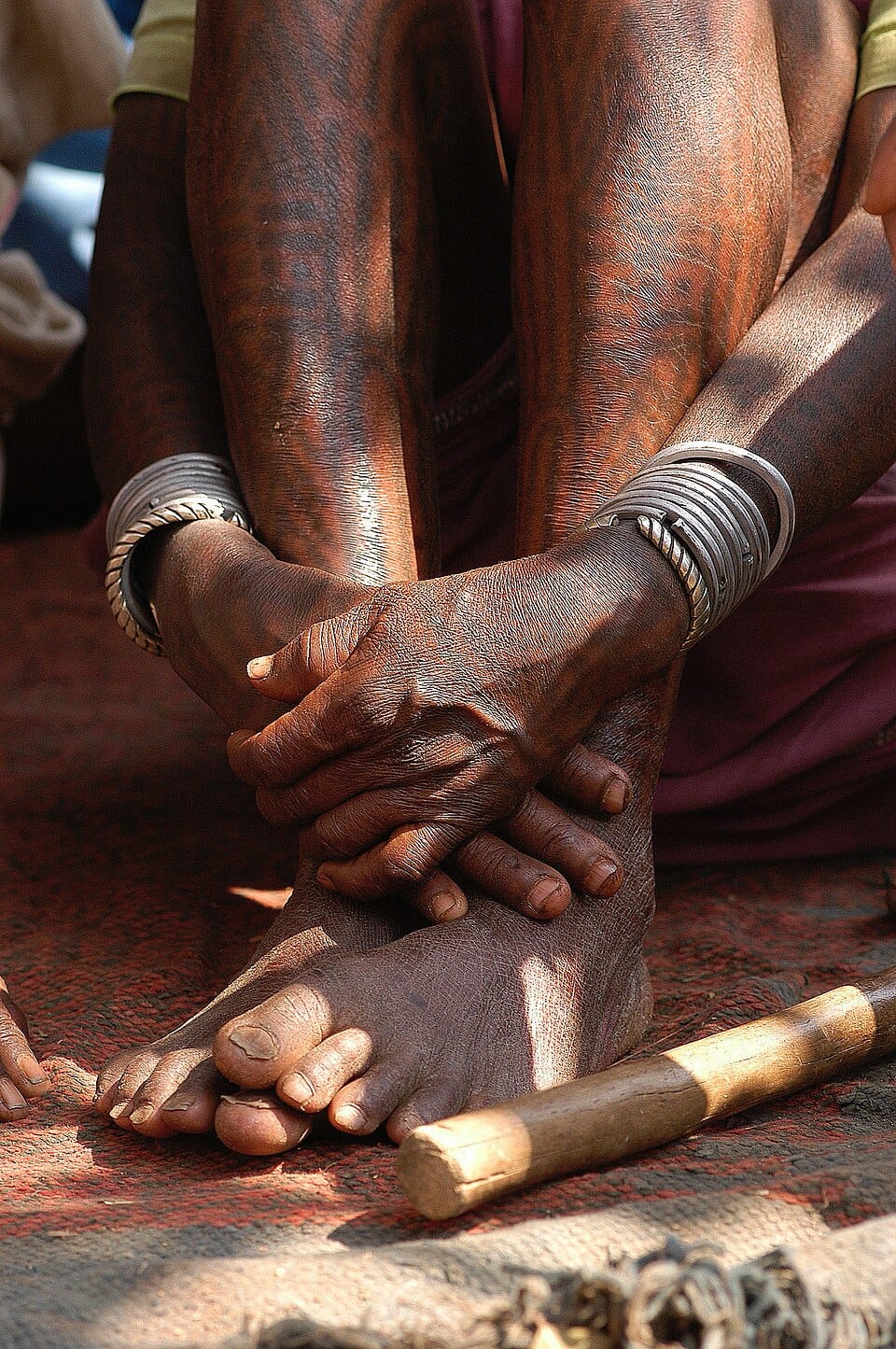
The design of every address, the beginning of every original story starts with the land's living heritage and communities. At Outpost 12, this is designed into experiences, spaces, interactions, service and landscape.
The Baiga tribe with their culture of living tattoo art (called Godna and which gives them their ancestral identity) and vibrant livery form the backdrop of many artworks. Their indigenous animist culture, customs, rituals and aesthetics became a guiding spirit.
Traditional drapes & fused art forms
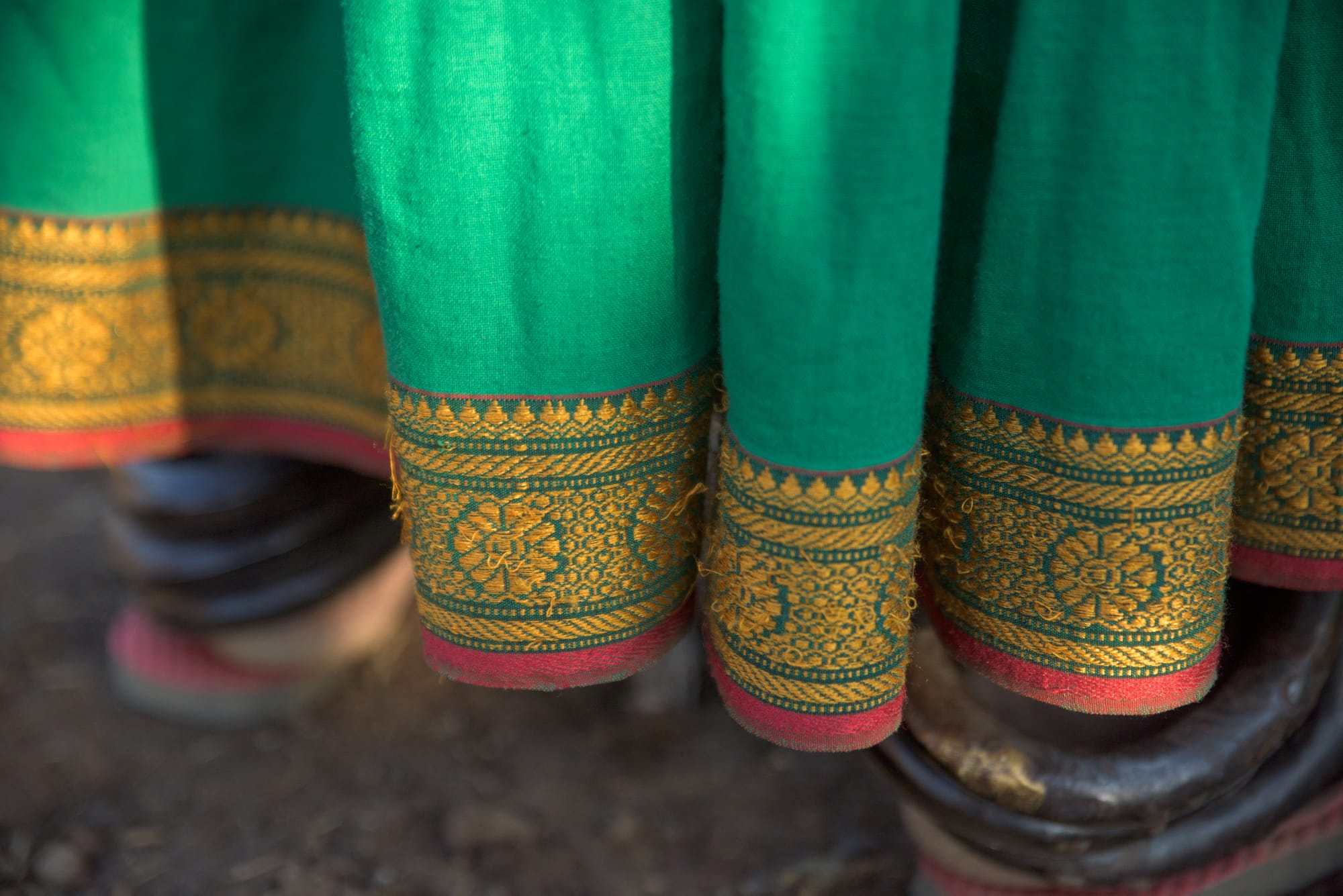
Traditionally the Baiga women wear long drapes or “lugda” that is wrapped around their waist and upper half of the body.
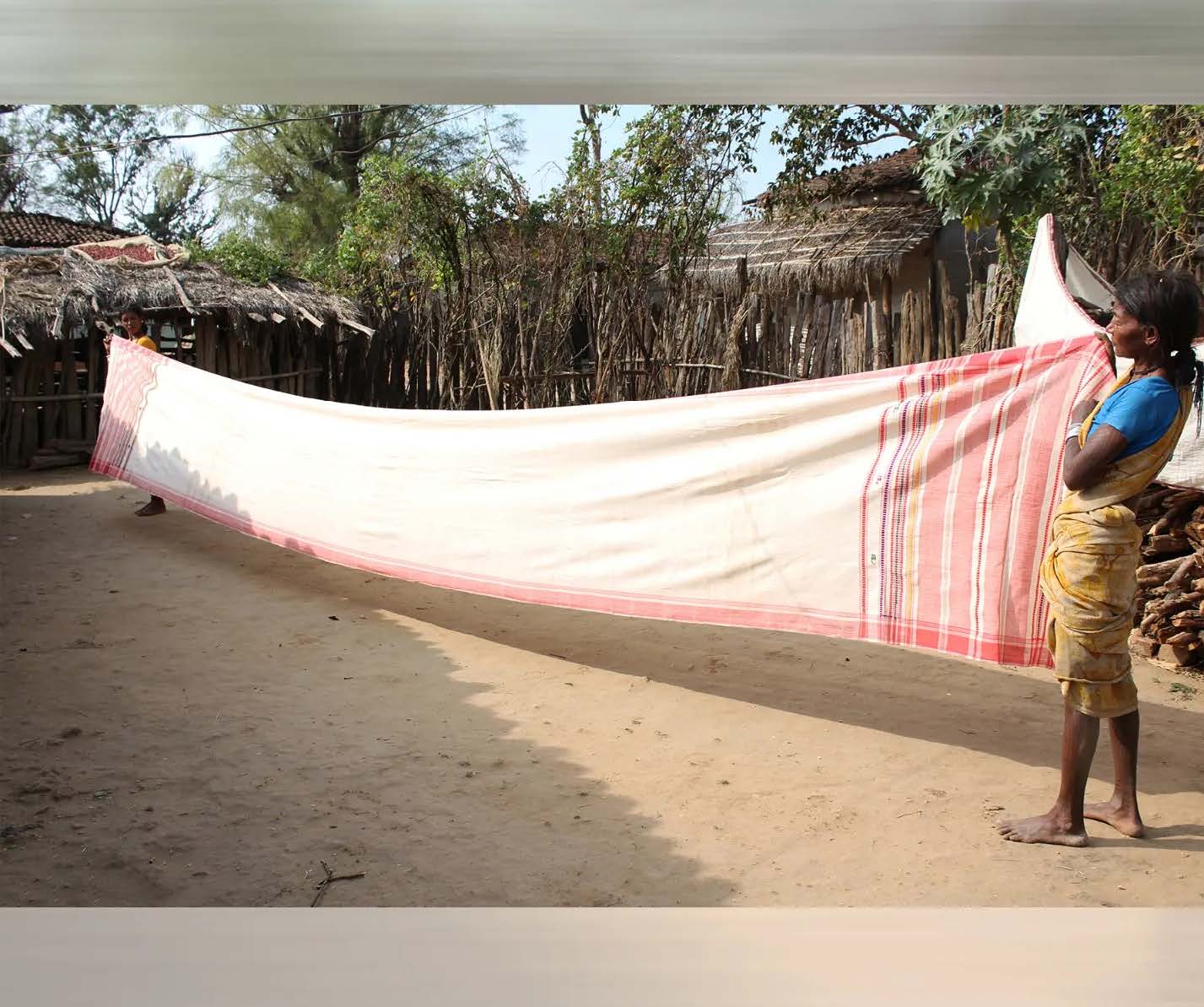
The simplicity and elegance of the lugda combined with the art form of Lippan, was what inspired our artwork. Keeping in line with the hyper-local theme, the result was a nine-foot long Lippan artwork that drapes the welcome lounge wall.
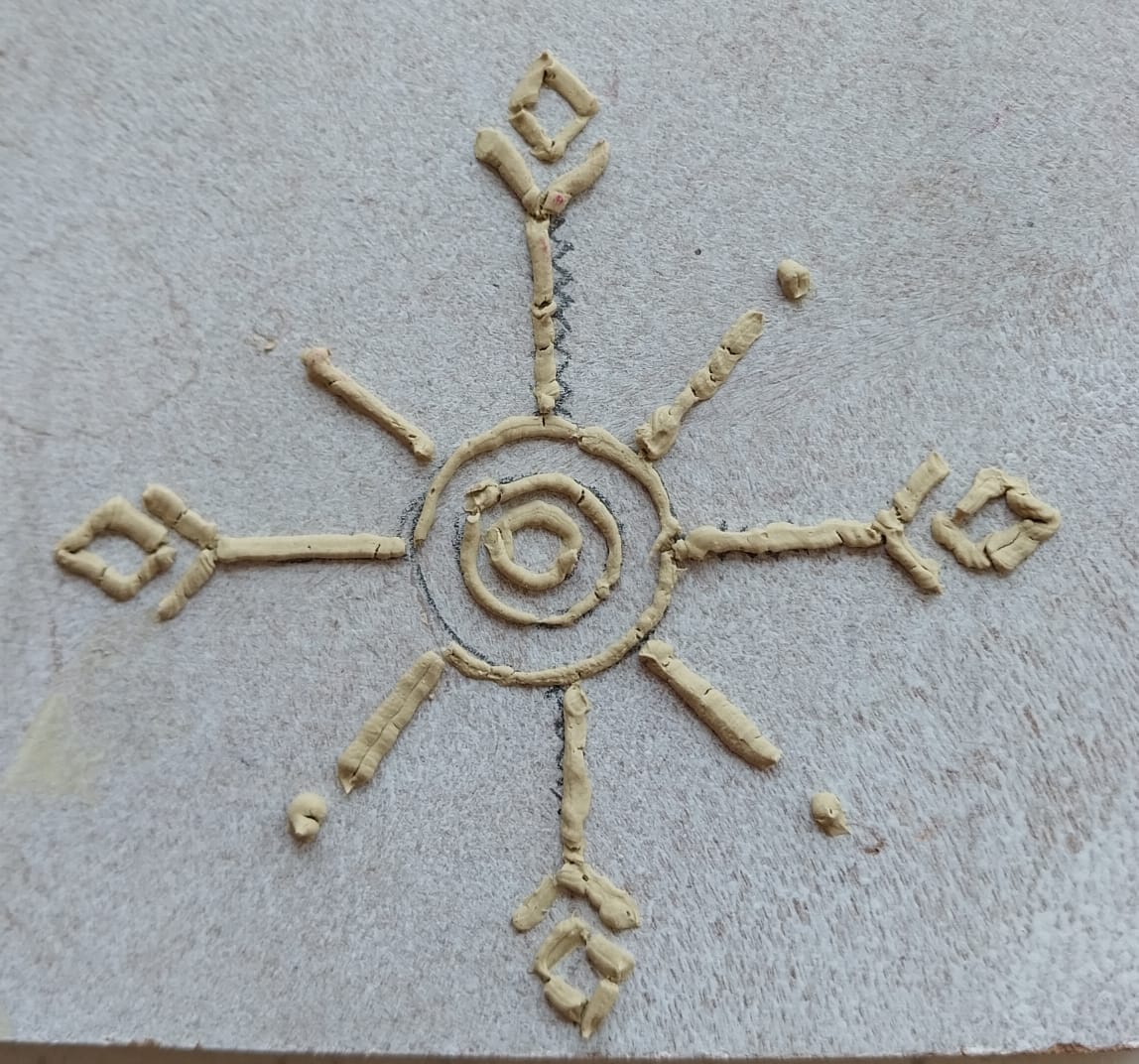
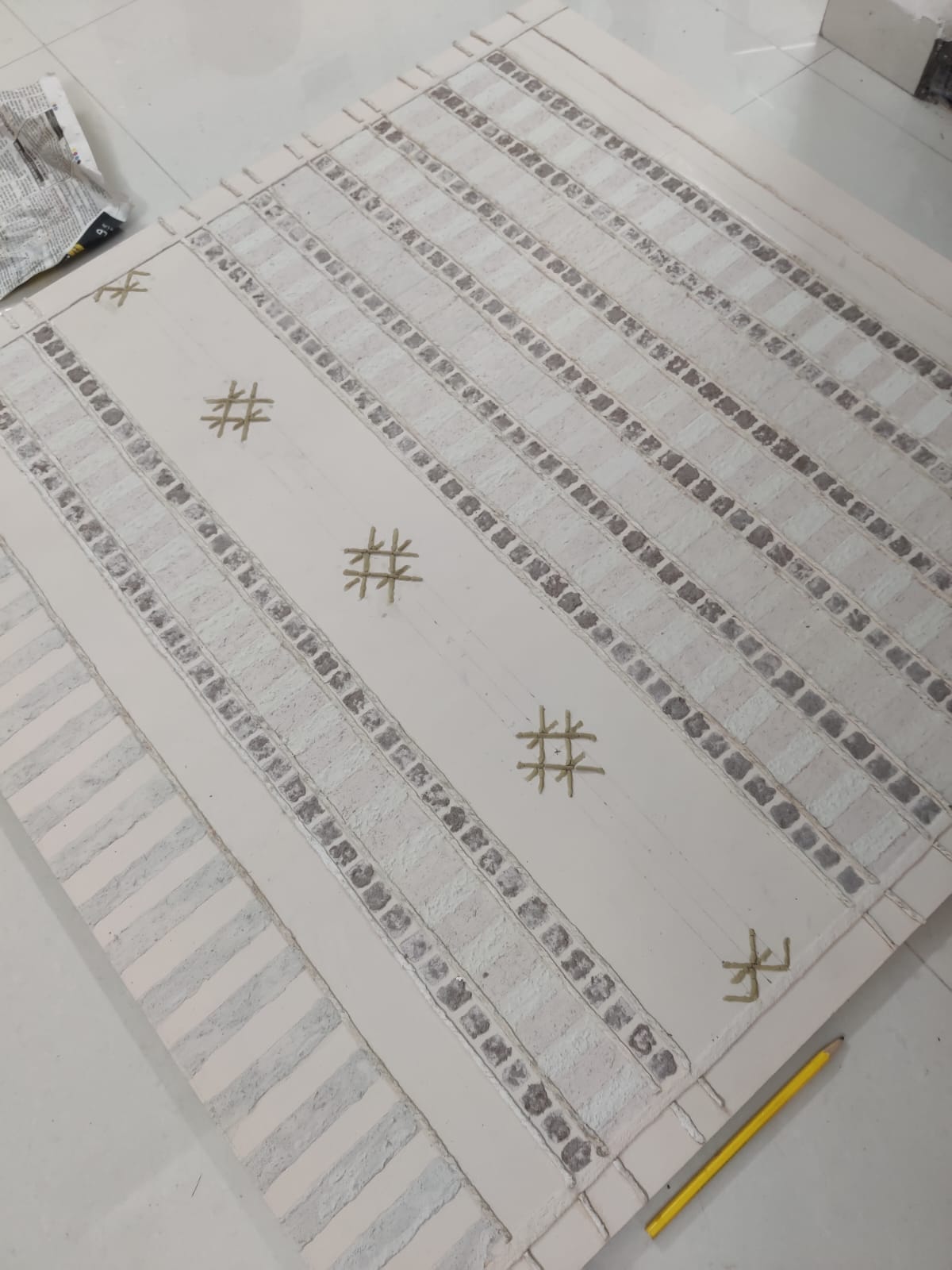
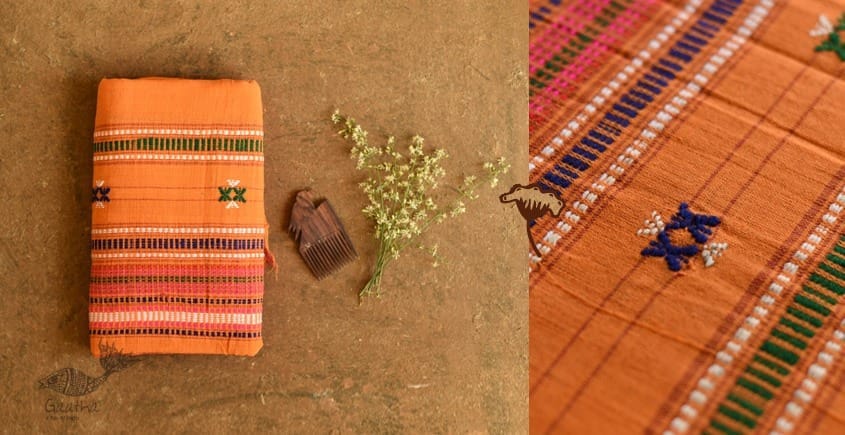
The local at the heart of the experiences.
Flora
Surrounded by nature and its brilliant forms, textures, colours and designs – it is no surprise that we were drawn to the bounties of nature here.
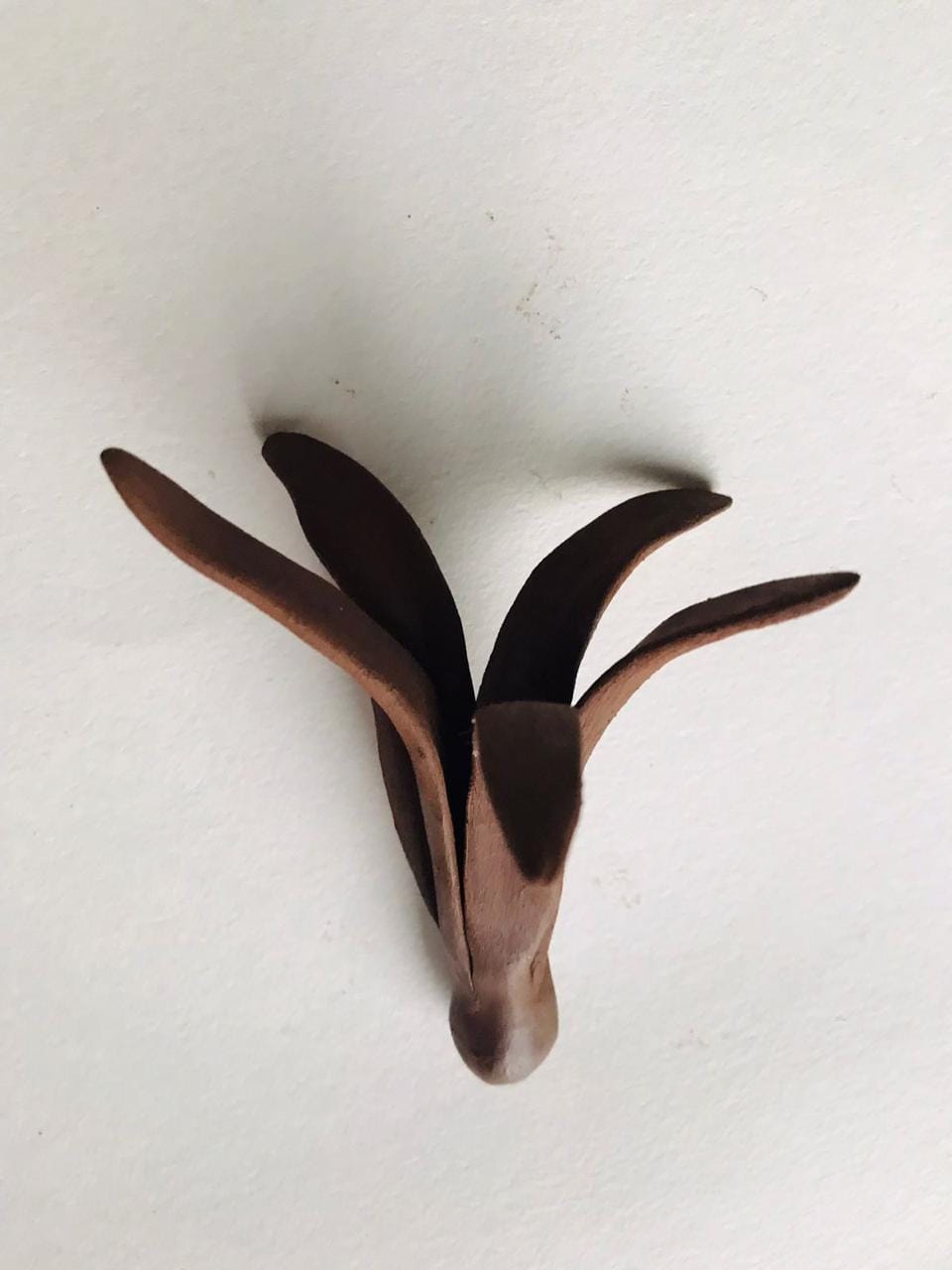
The bright red and orange blossoms, turn even dry and leafless forests into floral tapestries. Also known as the Silk Cotton Tree, the Semal (Bombax ceiba) is a tall deciduous species. The cottony fibres from its fruit are used for stuffing pillows and cushions, while the tree provides both shelter and nectar to the birds. The bark, flower and roots of the tree are known to possess medicinal properties. The wood is hardy material for making furniture, matchsticks and
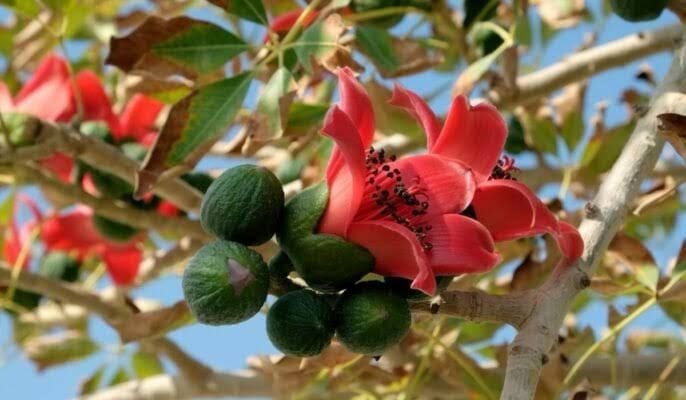
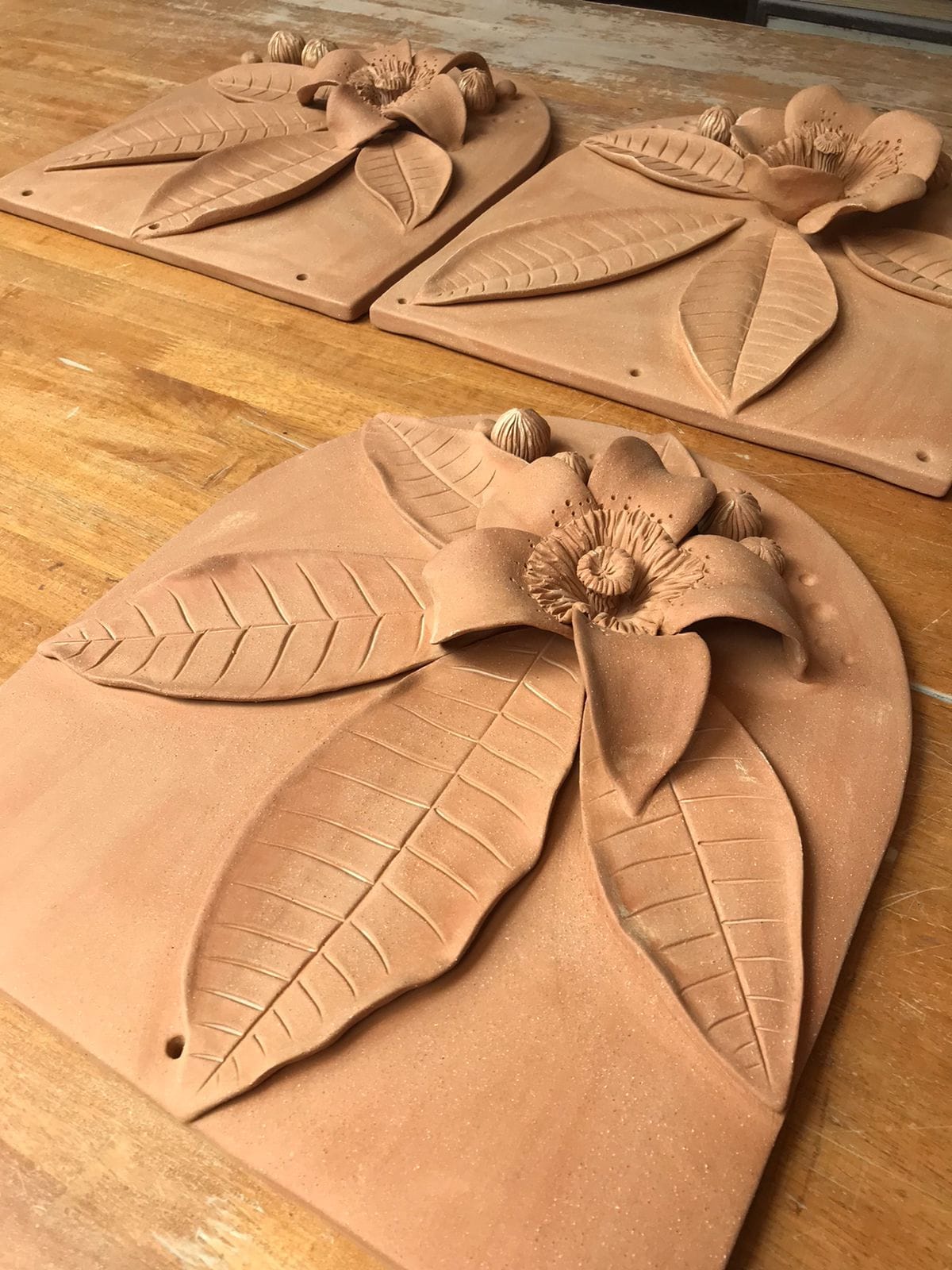
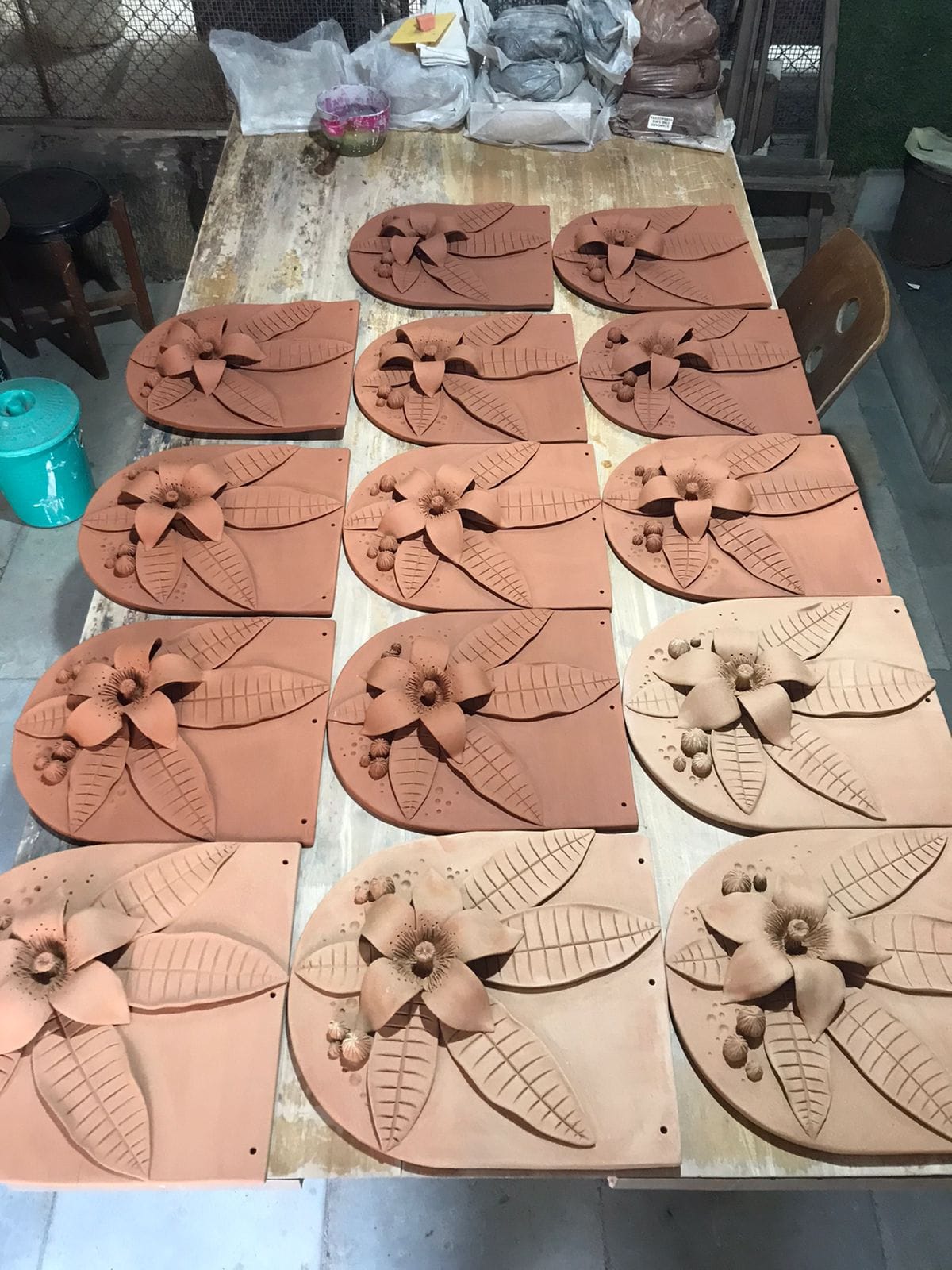
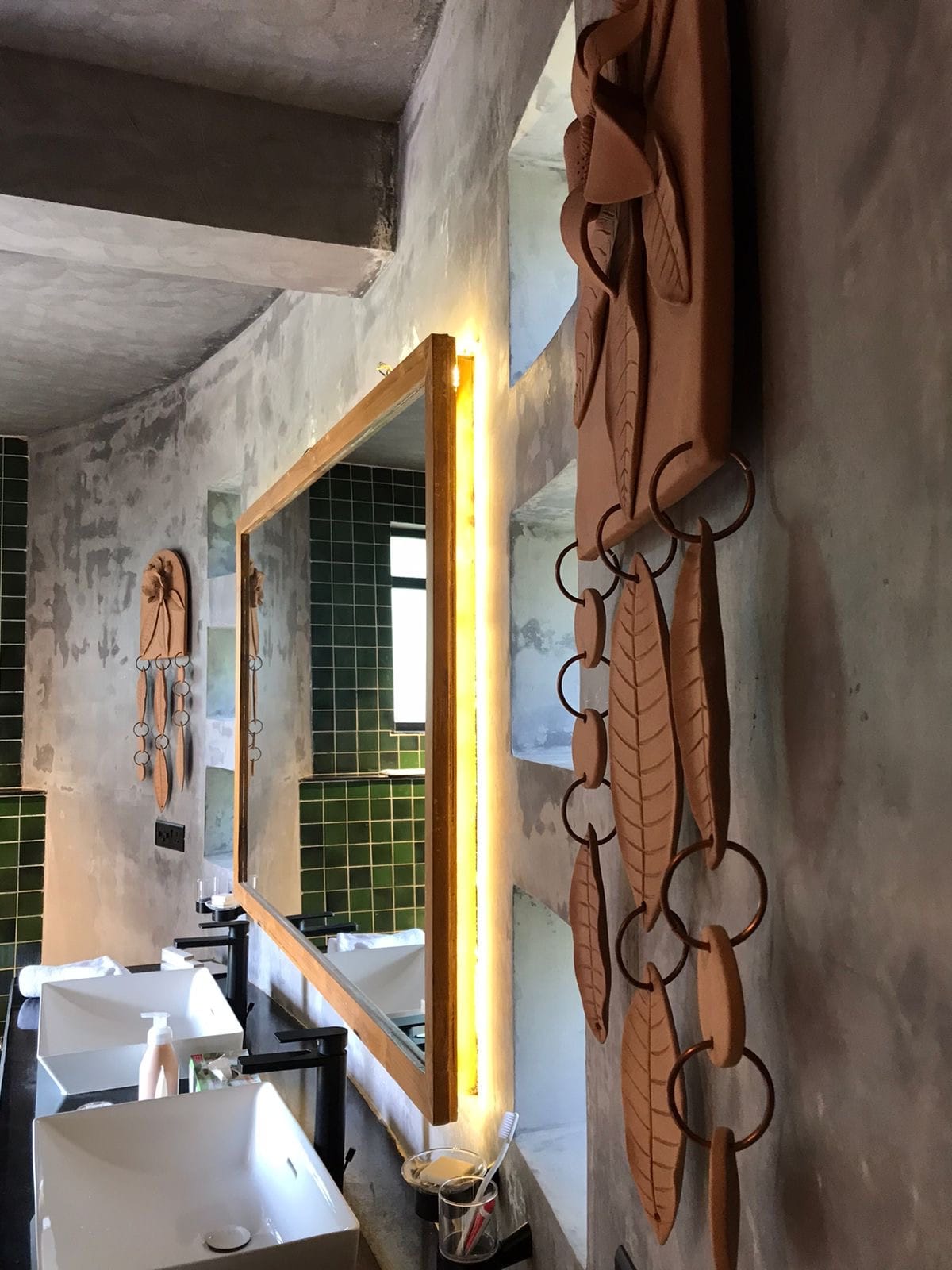
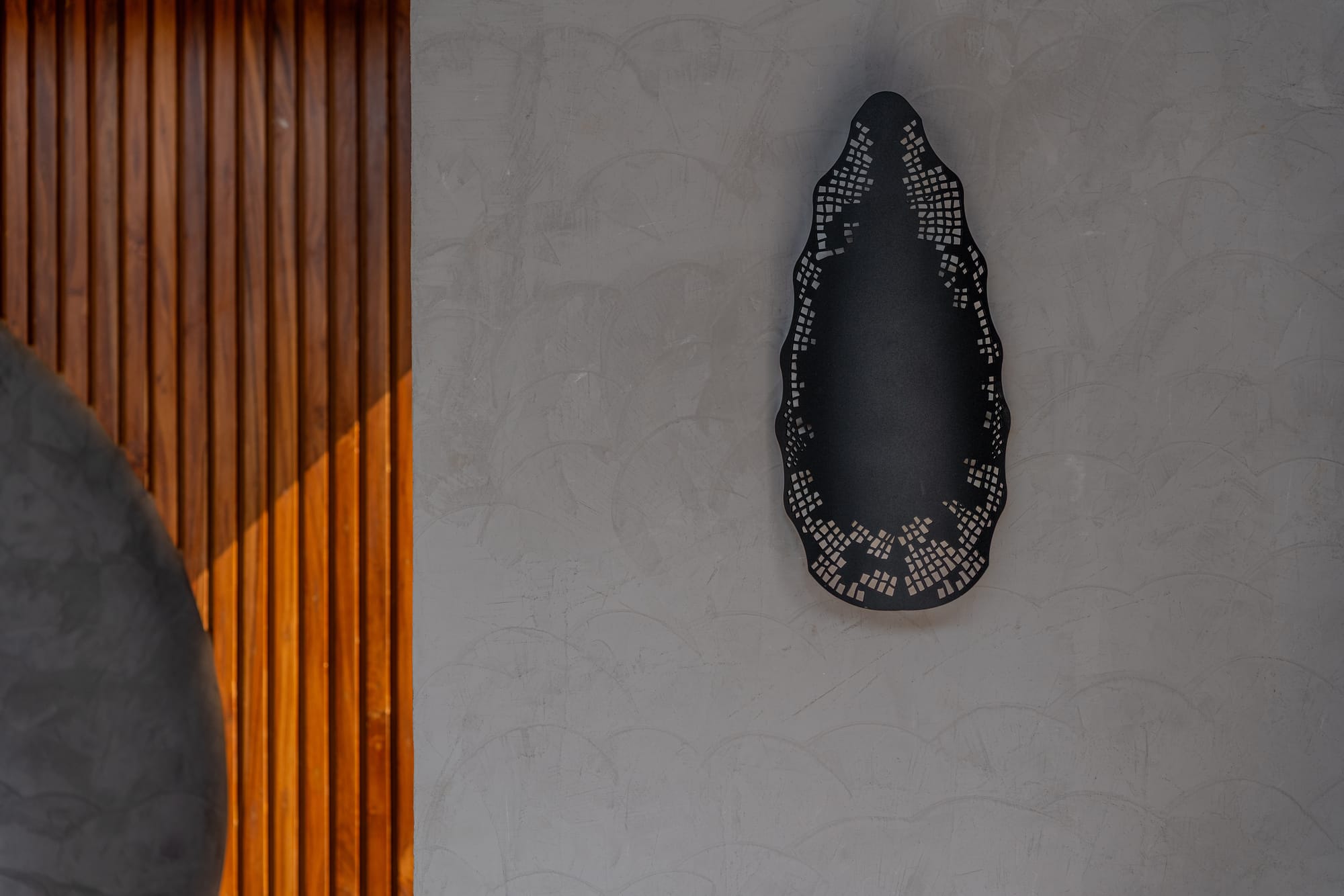
The Semal flower found in the jungles of Kanha, were an inspiration for the experience design team at NYUCT, to reimagine interiors.
In the above artworks, the Semal flower was the perfect inspiration for the installations that hang in the bathrooms of the safari cottages.
Craft
Bringing the art and ID story all together using traditional methods of ceramic craft and inspiration from the forest, a distinctive palette was developed for Outpost 12 with multiple trials of iron-oxide glazes to achieve the perfect forest green and metallic undertones of copper to create this striking ensemble. This sits on a background of pure gold leafing which mimics the warmth of the forest sun.
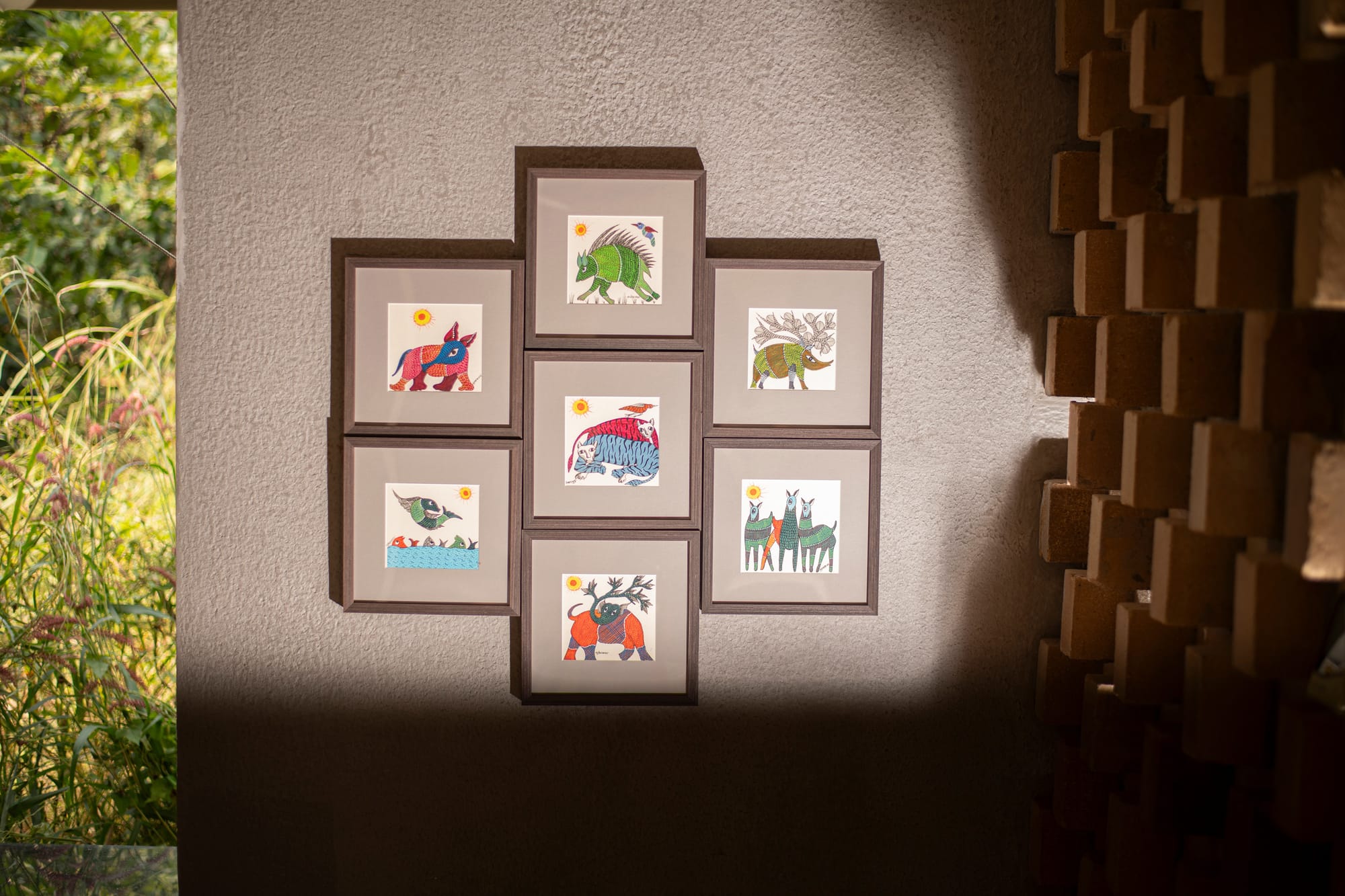
Where there is indigenous heritage, there is plenty of craft.
A design adventure with cultural paths
How would we walk the fine line, which doesn't stray too far from codes of authenticity and yet expresses local traditions for a modern-day traveler? How do we design something with outside in eyes and yet find resonance with the insiders of Kanha and locals?
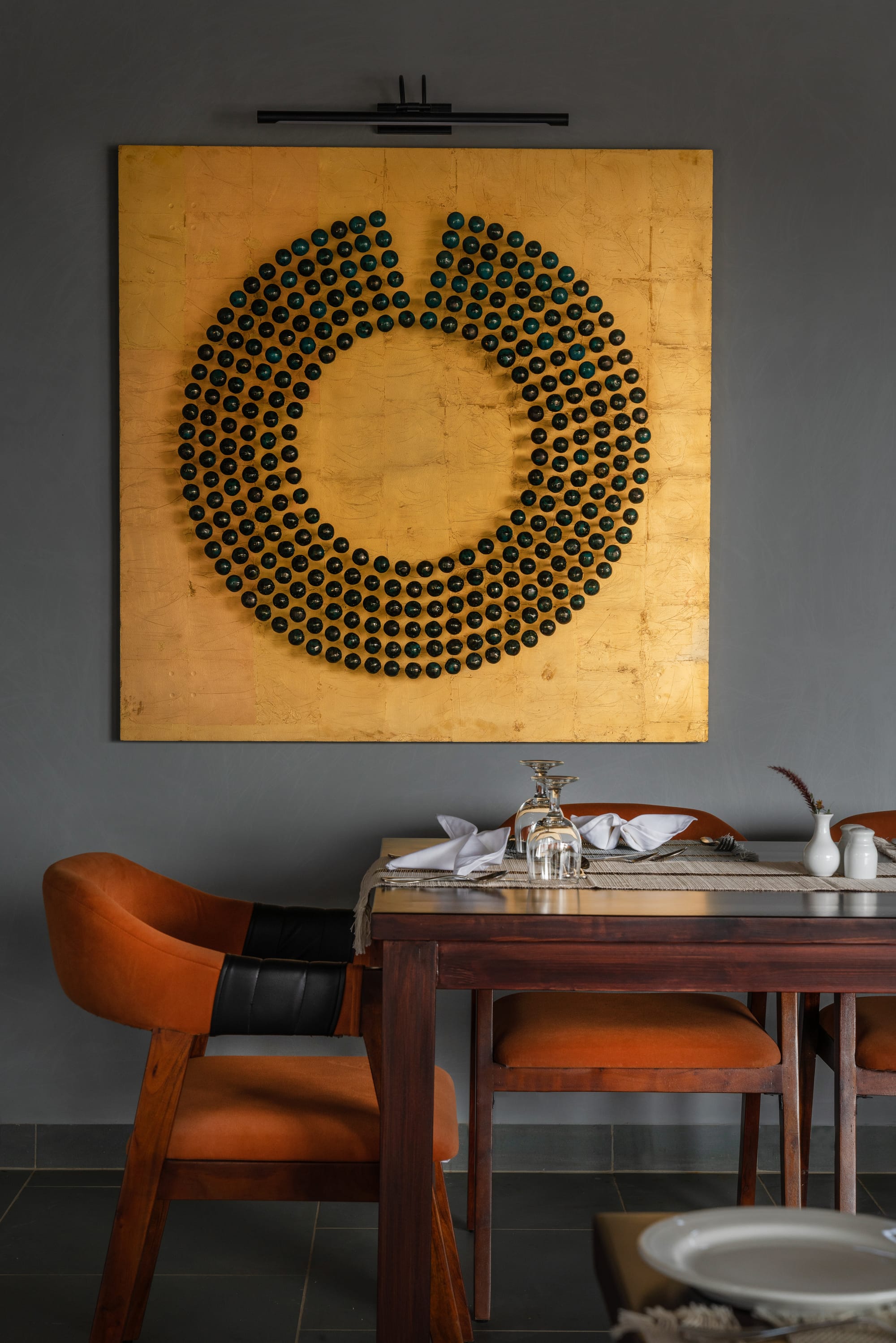
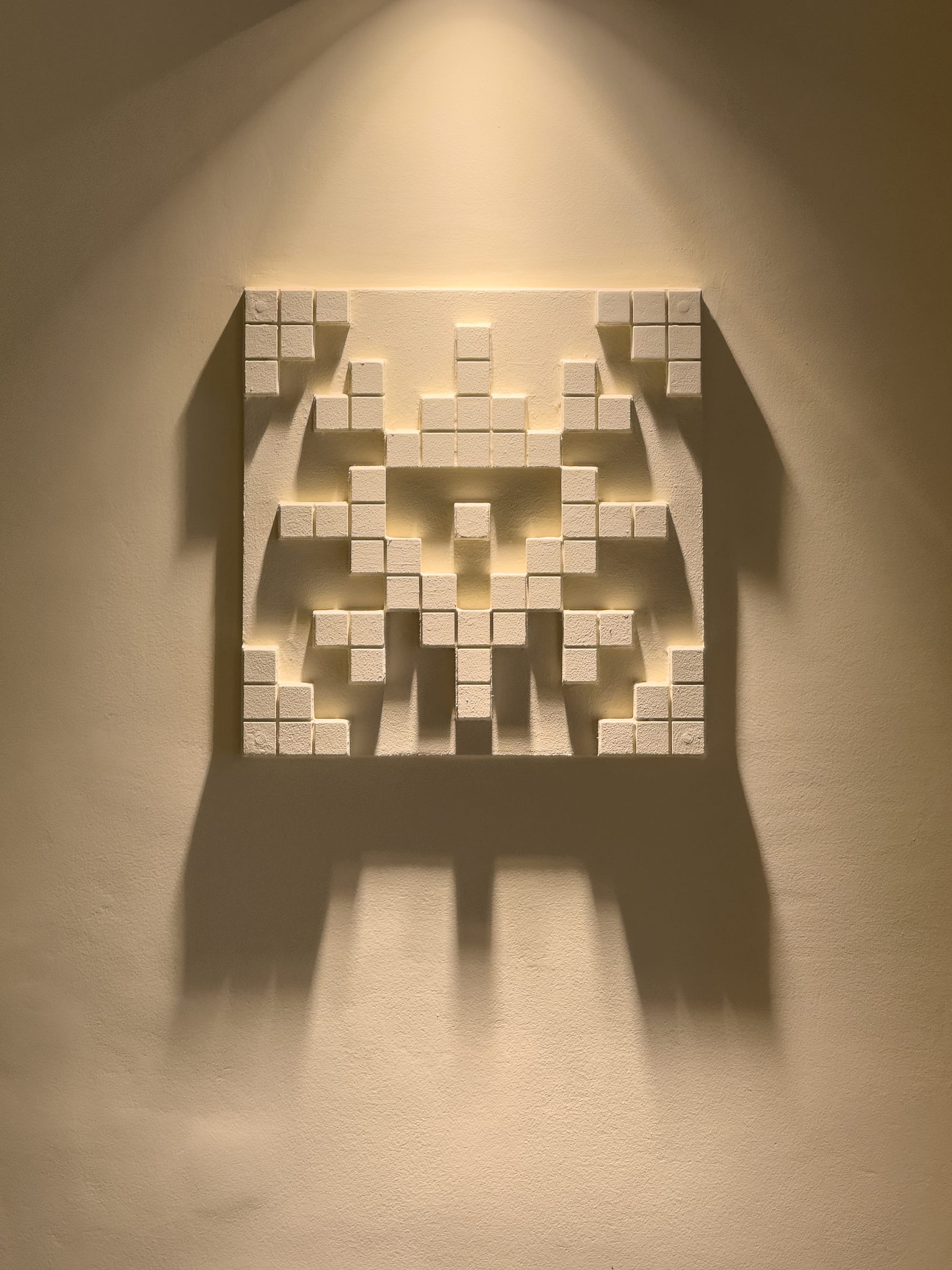
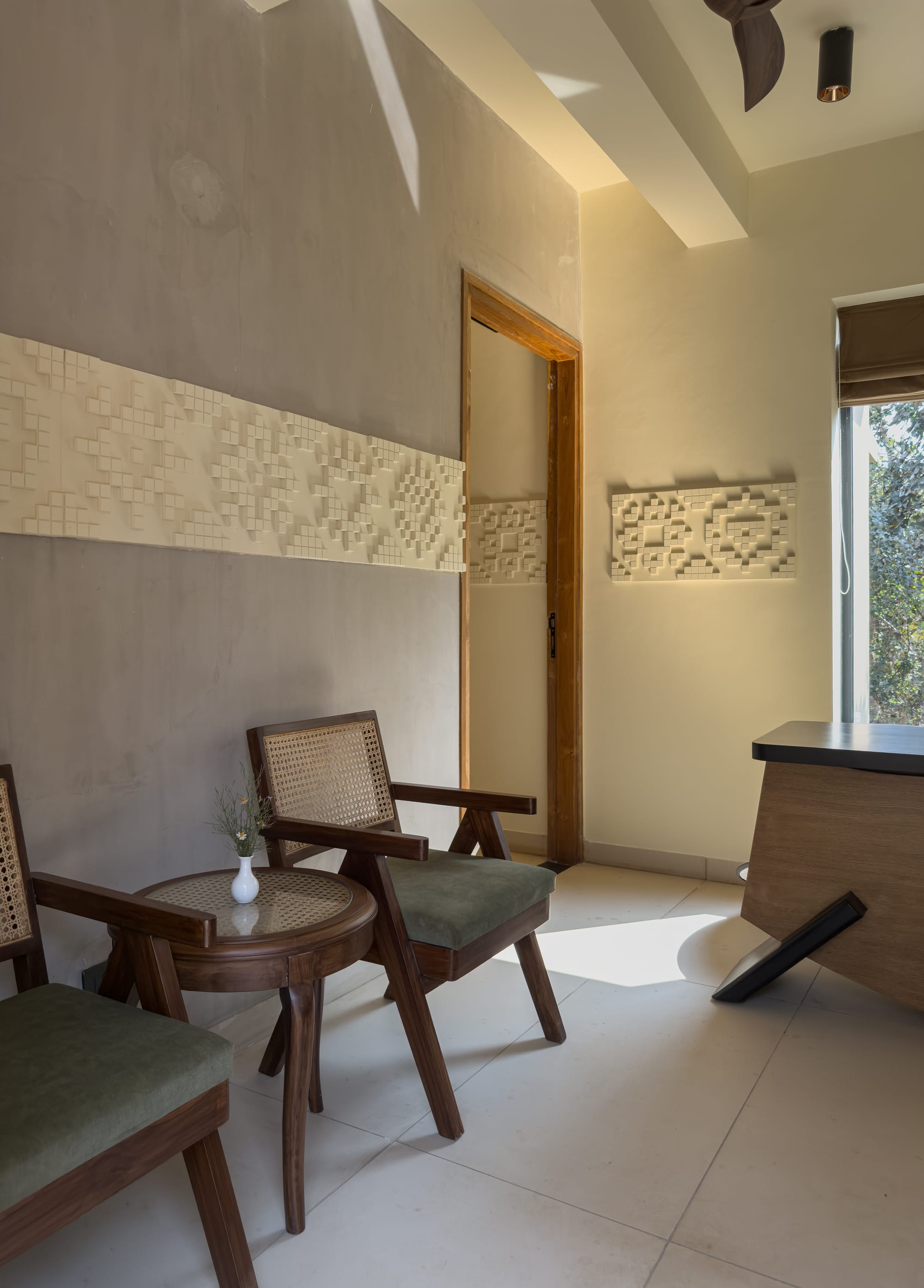
Chakras of harmony. For an environment of wellness.
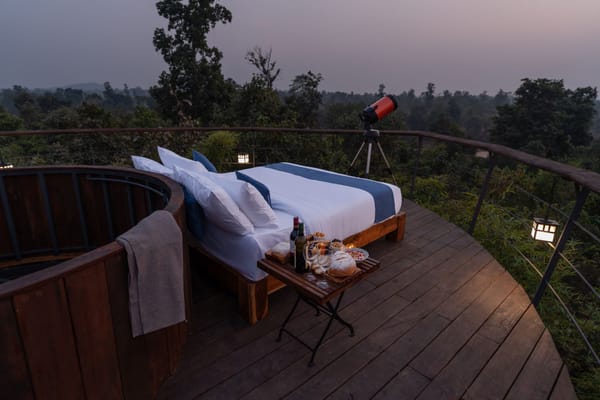
Experience a Safari Bio-Lodge in the heart of Kanha, one of India's formidable Tiger terrains.
The making of Outpost 12 has been an off-road adventure for NYUCT Design Labs, where venture design, product development, branding, experience design and content development, all rolled into one. From blueprint to market. As a jungle safari lodge owned and led by naturalists, Outpost 12 breaks the template and goes off the beaten track, much like the custom-made 9-seater 4X4 that was designed for this forest-first product. Thereby presenting a Kanha, that is uniquely indigenous and interpretive.
As a unique Venture Design and Experience Innovation firm and makers community in India, NYUCT Design Labs explores the power of design and innovation to create transformative ventures, brands, products, platforms and destinations.
Apart from experience design adventures across more than 40 destinations that its core partners savour as life experiences, the venture design collective also has a specialised cell for developing edible ventures (www.edibleventures.co).
Create transformative experiences, brands and destinations with design, innovation and a makers-community.